
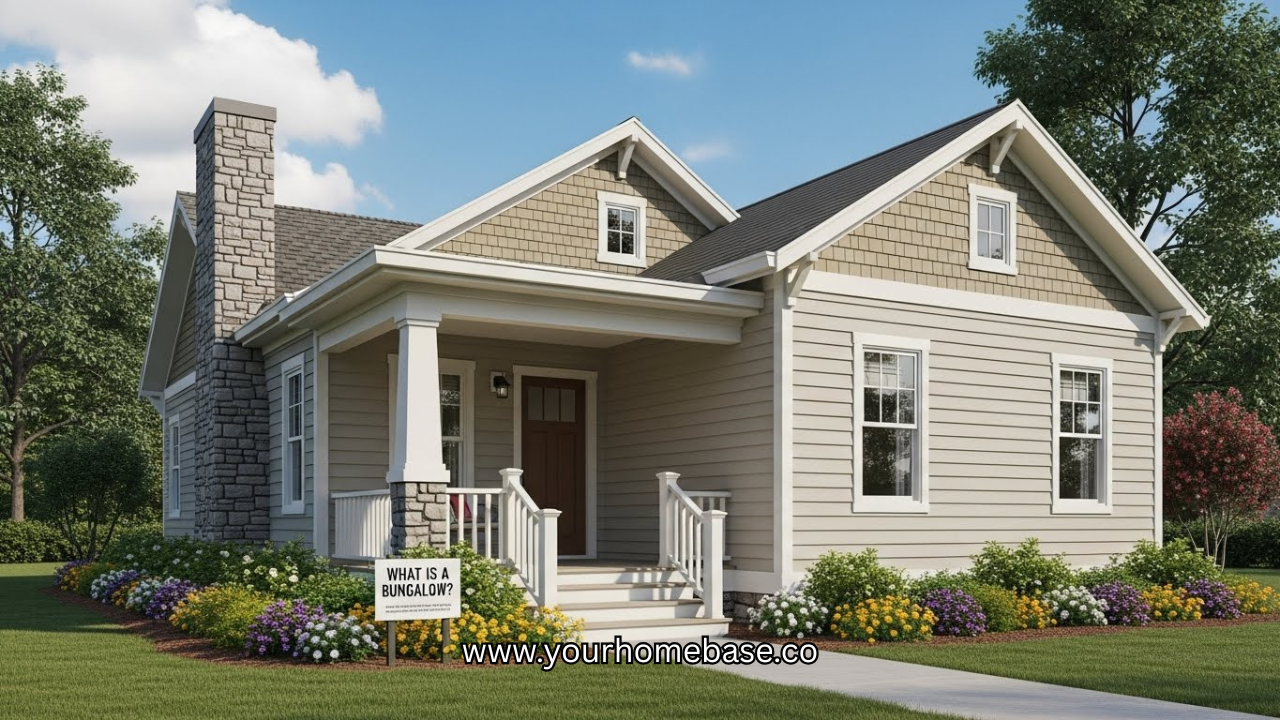
Imagine stepping into a cozy retreat where charm meets functionality. That’s the allure of a bungalow. These inviting homes have captured the hearts of many, offering a unique blend of comfort and style. But what is a bungalow? This blog post will take you on a journey through its fascinating history, distinct characteristics, and why it’s become such a sought-after living choice for so many people today. Whether you’re considering buying one or simply curious about their appeal, you’ll find all the insights right here. Let’s dive in!
History of Bungalows
The history of bungalows traces back to the late 19th century. Originating in India, the term “bungalow” comes from the Hindi word “bangla,” which referred to a type of single-story dwelling built for Bengali farmers.
These homes were designed with comfort and simplicity in mind, often featuring wide verandas and low roofs. British colonial influences helped popularize this architectural style as it spread across continents.
By the early 20th century, bungalows gained immense popularity in Western countries, especially in America. The Arts and Crafts movement embraced their handcrafted aesthetic, making them symbols of cozy living.
Craftsman-style bungalows became particularly trendy during this time. They emphasized natural materials and open floor plans that fostered a sense of community within families. This focus on practicality married well with growing suburban developments post-World War II, solidifying their place in home design history.
Characteristics of a Bungalow
Bungalows are distinct for their single-story layout, which promotes accessibility and convenience. This feature makes them particularly appealing to families and retirees.
Their low-pitched roofs often create a cozy atmosphere, contributing to the overall charm of these homes. Wide porches frequently adorn the front, inviting outdoor relaxation and social gatherings.
Another hallmark is open floor plans that maximize space. Living areas blend seamlessly with dining spaces, offering flexibility in design and function.
Windows tend to be large, allowing natural light to flood in. This connection with the outdoors enhances the feeling of spaciousness while reducing energy costs.
Built-in features like bookcases or benches are common additions that add character without sacrificing practicality. These small details make bungalows not just homes but also personal sanctuaries reflecting individuality.
Types of Bungalows
Bungalows come in various styles, each with its own charm. The classic single-story bungalow is perhaps the most recognized. It features a low roof and a cozy front porch, creating an inviting atmosphere.
Then there’s the California bungalow, known for its spacious layout and earthy materials. This style often boasts extensive woodwork and large windows that invite natural light.
Another popular type is the raised bungalow. Elevated above ground level, it typically offers a basement or crawl space underneath. This design helps protect against flooding while providing additional living space.
You have the modern bungalow—a contemporary twist on traditional designs. These homes incorporate eco-friendly features and open layouts to suit today’s lifestyles.
Each of these types brings unique characteristics that appeal to different tastes and needs. Whether you prefer vintage charm or sleek minimalism, there’s likely a bungalow style just right for you.
Why are Bungalows Popular?
Bungalows have carved a niche in the housing market, attracting buyers for various reasons. Their single-story design appeals to many. This layout is especially convenient for families with young children or seniors who prefer easy access without stairs.
The charm of bungalows often lies in their cozy and inviting atmosphere. Many feature open floor plans that enhance social interactions among family members or guests.
In addition, bungalows often come with outdoor spaces like porches and gardens, providing opportunities for relaxation and recreation. These elements create a seamless connection between indoor and outdoor living.
Sustainability also plays a role in their popularity. Bungalows tend to use fewer resources during construction compared to larger homes. As more people prioritize eco-friendly choices, this aspect becomes increasingly appealing.
There’s an undeniable aesthetic appeal; the architectural style varies from craftsman to modern designs, catering to diverse tastes.
Pros and Cons of Living in a Bungalow
Living in a bungalow comes with its own set of advantages. One major perk is the single-story layout, which makes daily life easier for those with mobility challenges or young children. No stairs means fewer accidents and greater accessibility.
On the flip side, bungalows can sometimes feel limited in space. With all rooms on one level, you may find yourself wishing for extra storage or distinct living areas.
Another benefit lies in outdoor enjoyment. Bungalows often have wrap-around porches or gardens that invite relaxation and social gatherings. However, this also means more upkeep and maintenance to keep these spaces looking their best.
Energy efficiency is another plus; fewer walls mean reduced heating and cooling costs. Yet, older bungalows might lack modern insulation standards, leading to higher utility bills if renovations aren’t made.
The choice ultimately depends on individual needs and lifestyle preferences.
How to Decorate a Bungalow Home
Decorating a bungalow home is all about embracing its unique charm. Start with a neutral color palette to enhance the open spaces and let natural light flow. Soft whites, creams, and earthy tones work beautifully to create warmth.
Incorporate vintage furniture pieces that reflect the craftsmanship of yesteryears. Look for items with character—think reclaimed wood tables or retro armchairs. These elements add personality while maintaining an inviting atmosphere.
Layer textures through throws and cushions made from natural fibers like cotton or linen. This adds depth without overwhelming the space.
Don’t forget greenery! Houseplants can breathe life into rooms, bringing freshness indoors. Choose easy-to-care-for varieties if you’re not particularly green-thumbed.
Personal touches matter; hang artwork that resonates with you and display cherished photographs on shelves to make it feel truly yours.
The Future of Bungalows: Modernization and Sustainability
The future of bungalows is bright, evolving with the times while embracing sustainable practices. Homeowners are increasingly seeking energy-efficient designs that reduce their carbon footprint.
Modern bungalows feature open floor plans and large windows that invite natural light. This not only enhances the aesthetic appeal but also promotes better energy use.
Sustainable materials like reclaimed wood and bamboo are becoming popular choices for construction and decor. These materials provide durability while being environmentally friendly.
Smart home technology is finding its way into bungalow design as well. From smart thermostats to solar panels, these innovations help homeowners save on energy costs while contributing to a greener planet.
As urban areas expand, bungalows can adapt by incorporating rooftop gardens or vertical greenery, blending nature with modern living spaces seamlessly.
Conclusion
Bungalows are more than just a style of home; they embody a lifestyle choice that many find appealing. Their rich history, distinct characteristics, and various types cater to diverse homeowner needs. The charm of bungalows lies in their accessibility and practicality, attracting families, retirees, and individuals alike.
As we move towards modernization and sustainability, bungalows continue to adapt while retaining their classic appeal. With thoughtful decoration strategies and an understanding of their pros and cons, anyone can enjoy the unique benefits of bungalow living.
Whether through cozy interiors or innovative design adaptations for energy efficiency, there’s no denying that bungalows hold a special place in today’s housing market. Embracing this timeless architectural style allows residents to enjoy both comfort and character in one perfect package.