
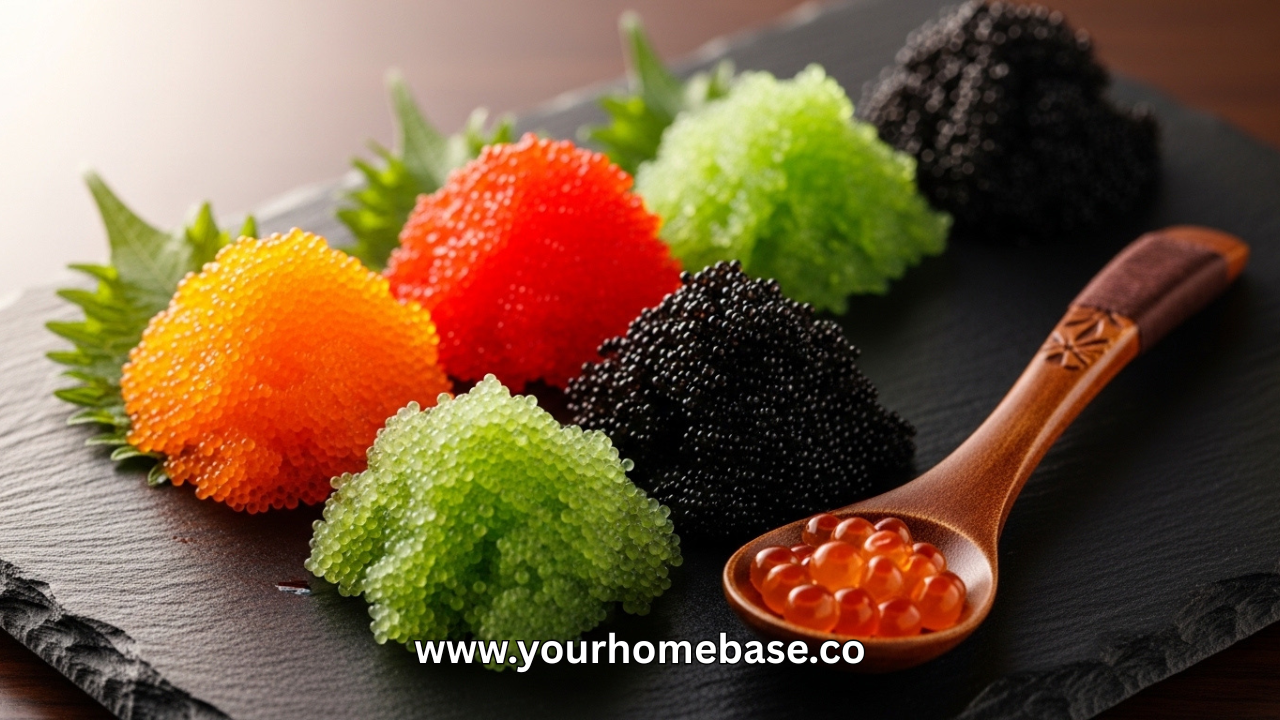
Tobiko, the vibrant roe of the Japanese flying fish, is a true gem in the world of culinary delights. Its unique texture and burst of flavor elevate dishes from sushi to salads. But tobiko isn’t just about taste; it brings a splash of color that transforms any plate into an eye-catching masterpiece. Whether you’re a seasoned sushi aficionado or simply curious about this delicacy, there’s much to explore in the colorful realm of tobiko. Join us as we dive deeper into its origins, how it’s made, and why you should add this delightful ingredient to your kitchen repertoire!
Origins and History of Tobiko
Tobiko, the vibrant roe of flying fish, has deep roots in Japanese culinary traditions. Its origins can be traced back to coastal regions where these fish thrive. Fishermen discovered that the eggs had a unique taste and texture.
Historically, tobiko was a simple delicacy enjoyed by local communities. It became popularized through sushi culture in Japan during the 20th century. As sushi bars gained international acclaim, so did this colorful topping.
Each color of tobiko—ranging from bright orange to black—has its own distinct flavor profile and appeal. Chefs began experimenting with different seasonings and colors, enhancing its allure on plates worldwide.
As globalization took hold, tobiko found new fans beyond Japan’s shores. Today, it’s not only a staple in traditional sushi but also an exciting garnish for modern dishes across various cuisines.
The Process of Making Tobiko
The creation of tobiko is a meticulous process that showcases the skill and artistry involved in traditional Japanese food preparation.
First, fresh flying fish are caught from the ocean. The roe, or eggs, are carefully extracted to ensure quality and flavor.
Once harvested, the eggs undergo a thorough washing process. This step removes any impurities while preserving their delicate texture.
Next comes seasoning. Tobiko is often flavored with various ingredients like soy sauce, wasabi, or even yuzu for an added zest. Each variation offers its own unique taste profile.
After seasoning, the eggs are gently cured and allowed to rest. This allows flavors to meld beautifully before they’re packaged for sale.
Throughout this entire journey from sea to table, attention to detail remains paramount in crafting this delightful delicacy known as tobiko.
Types and Colors of Tobiko
Tobiko comes in a vibrant array of colors, each adding its unique flair to culinary dishes. The most common hue is bright orange, easily recognizable and often used in sushi rolls.
You might also encounter wasabi tobiko, which offers a spicy green variant that brings heat to your palate. This adds an exciting twist when paired with fresh seafood.
Black tobiko features squid ink for a dramatic touch. It’s not just visually striking but also introduces a subtle brininess that enhances the overall flavor profile.
Red tobiko, less common than the others, provides a rich taste experience and stands out against lighter ingredients.
Each type of tobiko contributes distinct flavors and textures, making it versatile for both traditional dishes and innovative culinary creations.
Nutritional Value and Health Benefits
Tobiko is not just a colorful addition to your sushi; it also packs a nutritional punch. This vibrant fish roe is low in calories yet rich in essential nutrients.
It contains omega-3 fatty acids, which support heart health and reduce inflammation. These healthy fats are crucial for brain function and may help lower the risk of chronic diseases.
Additionally, tobiko is an excellent source of protein. It provides amino acids necessary for muscle repair and overall well-being.
With vitamins like B12 and E, tobiko contributes to energy production and skin health. Its mineral content includes iron and magnesium, important for maintaining strong bones.
Incorporating this tasty delicacy into your meals can enhance both flavor profiles and nutrition without compromising on taste or quality.
Creative Ways to Use Tobiko in Cooking
Tobiko adds a burst of flavor and color to various dishes. Try sprinkling it on your favorite sushi rolls for an eye-catching garnish. The tiny pearls create a delightful crunch that enhances every bite.
For something different, incorporate tobiko into salads. Toss it with greens, avocado, and citrus dressing for a vibrant twist. It elevates even the simplest salads to gourmet status.
Consider using tobiko as a topping for deviled eggs or baked potatoes. Its bright colors will transform classic appetizers into visually stunning treats that impress guests.
If you’re feeling adventurous, blend tobiko into sauces or dips. This unexpected ingredient can bring unique flavors to savory spreads and dressings.
Don’t forget about breakfast! Add some tobiko to scrambled eggs or an omelet for added texture and taste, making your morning meal stand out from the ordinary routine.
Where to Find and Buy Tobiko
Finding tobiko isn’t as tricky as one might think. Many Asian grocery stores stock it, especially those that focus on Japanese cuisine. If you’re lucky, you might find fresh tobiko in the refrigerated section.
For a wider selection, check out specialty seafood markets. They often carry various types of roe and may even have tobiko sourced from different regions.
Online shopping is another convenient option. Websites specializing in gourmet foods or sushi ingredients frequently offer tobiko for delivery right to your door. Just be sure to read reviews for quality assurance.
Some restaurants also sell their own supply of tobiko if you ask nicely. It’s worth a try if you’re craving this colorful delicacy after dining out!
Sustainable Fishing Practices for Tobiko
Sustainable fishing practices for tobiko are crucial in preserving the delicate ecosystems where flying fish thrive. These methods focus on minimizing environmental impact while ensuring that fish populations remain healthy for future generations.
One approach is to use selective fishing techniques, which target only mature fish and reduce bycatch. This helps maintain balance within marine habitats and allows younger fish to grow and reproduce.
Many fisheries now adhere to guidelines set by organizations dedicated to sustainable seafood. Certifications can help consumers make informed choices when purchasing tobiko, ensuring they support responsible sources.
Moreover, habitat conservation plays a significant role in sustainability. Protecting breeding grounds from pollution and overfishing contributes significantly to the health of flying fish stocks.
Collaborations between local communities and regulatory bodies foster better management practices. Together, they create a framework that promotes both economic growth and ecological well-being in the industry.
Conclusion
Tobiko is more than just a garnish. This vibrant and flavorful roe brings an exciting element to various dishes. With its unique texture and pop, it elevates sushi, salads, and even appetizers.
Trying tobiko opens the door to exploring new flavors. Whether you prefer the classic taste or something spicier with wasabi-infused varieties, there’s a form of tobiko that will delight your palate.
Moreover, its nutritional benefits make it an enticing choice for health-conscious foodies. Packed with protein and omega-3 fatty acids, it’s not only delicious but also beneficial for your well-being.
By choosing tobiko from sustainable sources, you can indulge in this delicacy while supporting responsible fishing practices. So why wait? Dive into the colorful world of tobiko today—it might just become your new favorite culinary adventure!