
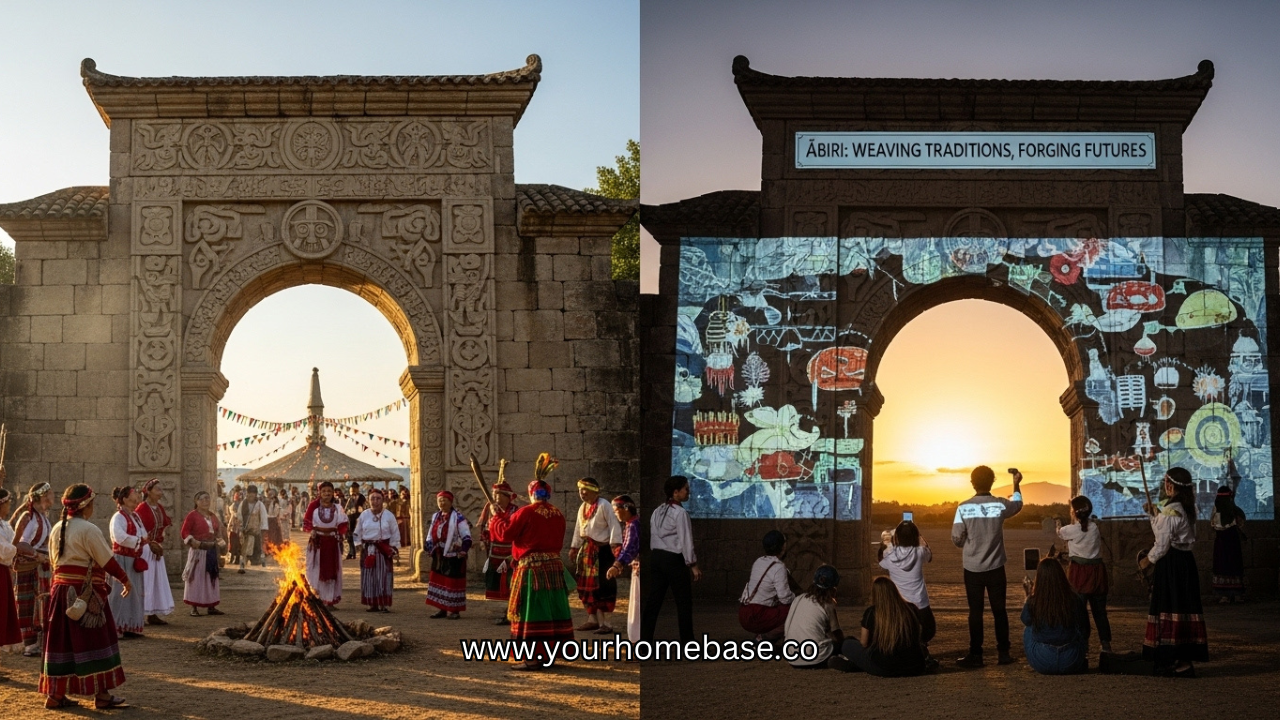
Çbiri is more than just a word; it’s a vibrant thread woven into the fabric of culture and tradition. This fascinating concept has captivated hearts and minds for generations, shaping practices that reflect deeper societal values. From its historical roots to its modern interpretations, Çbiri offers us a glimpse into how traditions evolve yet remain anchored in their essence. As we explore this rich tapestry, you’ll discover not only the significance of Çbiri but also its profound impact on communities around the world. Join me in unraveling this cultural phenomenon that continues to inspire and connect people across time and space.
The Origins and History of Çbiri
Çbiri has roots that trace back centuries, emerging from the rich tapestry of cultural traditions. This ancient practice is believed to have originated in specific regions where communal gatherings were essential for social cohesion.
The earliest references to çbiri can be found in folklore and oral histories passed down through generations. These stories highlight its role as a unifying force among diverse communities.
Historically, çbiri served multiple purposes—celebrating milestones, honoring ancestors, or marking seasonal changes. Each event was marked by unique rituals that deepened connections within the community.
As societies evolved, so did çbiri. The influences of trade and migration introduced new elements into this traditional framework. Despite these changes, its core values remained intact: unity, respect for heritage, and celebration of life’s significant moments continue to define it today.
The Cultural Significance of Çbiri
Çbiri stands as a vibrant thread in the tapestry of cultural identity. It embodies shared values and traditions that resonate deeply within communities.
At its core, çbiri reflects stories passed down through generations. These narratives shape collective memory and provide a sense of belonging.
Moreover, çbiri serves as a medium for artistic expression. Through music, dance, and visual arts, it captures the essence of life experiences unique to each culture.
The rituals surrounding çbiri reinforce social bonds. They bring people together during celebrations and significant milestones, fostering unity and connection.
This cultural phenomenon also adapts over time while retaining its foundational elements. As societies evolve, so does çbiri—imbuing it with new meanings yet keeping its historical roots intact.
In this way, çbiri remains not just relevant but vital in preserving heritage while instilling pride among those who embrace it.
The Importance of Çbiri in Traditional Practices and Rituals
Çbiri holds a special place in traditional practices and rituals across various cultures. Its presence often marks significant life events, from births to marriages and even funerals.
During ceremonies, Çbiri serves as a powerful symbol, uniting communities through shared beliefs and values. It is not merely an artifact; it embodies the spirit of heritage and collective memory.
Many families incorporate Çbiri into their daily lives. This encourages younger generations to connect with their roots while fostering respect for age-old customs. The act of passing down knowledge about Çbiri creates bonds within families, enriching cultural narratives.
In ritualistic contexts, the essence of Çbiri enhances spiritual experiences. Participants engage more deeply when surrounded by its significance, making moments feel profound. Whether displayed or actively involved in ceremonies, Çbiri remains a vital thread weaving together tradition and community identity.
Modern Adaptations and Evolutions of Çbiri
Modern adaptations of çbiri reflect a dynamic cultural landscape. As societies evolve, so too does the expression of this age-old tradition. Artists and performers are incorporating contemporary elements into traditional performances. This fusion has led to new interpretations that resonate with younger audiences.
Digital platforms have also played a significant role in the evolution of çbiri. Social media allows for broader accessibility, enabling people from diverse backgrounds to engage with this cultural practice. Online tutorials and livestream events bring together enthusiasts worldwide, fostering connections between generations.
Fashion is another area where çbiri sees modern reinterpretation. Designers are blending traditional motifs with modern styles, creating unique clothing lines that honor heritage while appealing to contemporary tastes.
These changes highlight the resilience and adaptability of çbiri as it navigates through time, proving its relevance in today’s world without losing its essence.
Controversies Surrounding Çbiri
Çbiri has not been without its share of controversies. Some view it as a cultural treasure, while others criticize it for perpetuating outdated practices.
Critics argue that certain rituals associated with Çbiri marginalize specific communities and reinforce traditional gender roles. This tension often ignites heated debates within societies where Çbiri is practiced.
Moreover, modernization poses additional challenges. As society evolves, some younger generations question the relevance of these traditions in contemporary life. They grapple with the balance between preserving heritage and adapting to new norms.
Cultural appropriation also plays a role in discussions about Çbiri. When outsiders engage with these practices without understanding their significance, it raises concerns among practitioners about dilution or misrepresentation.
These issues highlight the complex relationship communities have with their traditions and the ongoing dialogue surrounding cultural identity through Çbiri.
Conclusion
The legacy of Çbiri is both rich and complex. It serves as a bridge connecting past traditions with present practices, influencing communities in profound ways. Its origins are steeped in history, reflecting the customs and social fabrics of cultures that have embraced it over generations.
Çbiri’s cultural significance cannot be overstated; it embodies values, beliefs, and identities that forge strong community bonds. From traditional rituals to modern adaptations, its presence persists across various aspects of life, adapting while retaining its core essence.
As societies evolve, so does Çbiri. Contemporary interpretations reflect changing dynamics yet continue to honor historical roots. This adaptability ensures that Çbiri remains relevant today and into the future.
Controversies surrounding Čbiri highlight differing perspectives on tradition versus innovation. These discussions prompt deeper reflections on what cultural heritage means in an ever-changing world.
Ultimately, Çbiri stands as a testament to how traditions shape our lives and influence our collective identity. Its enduring impact will resonate for generations to come as people navigate the delicate balance between honoring their heritage and embracing new ideas.