
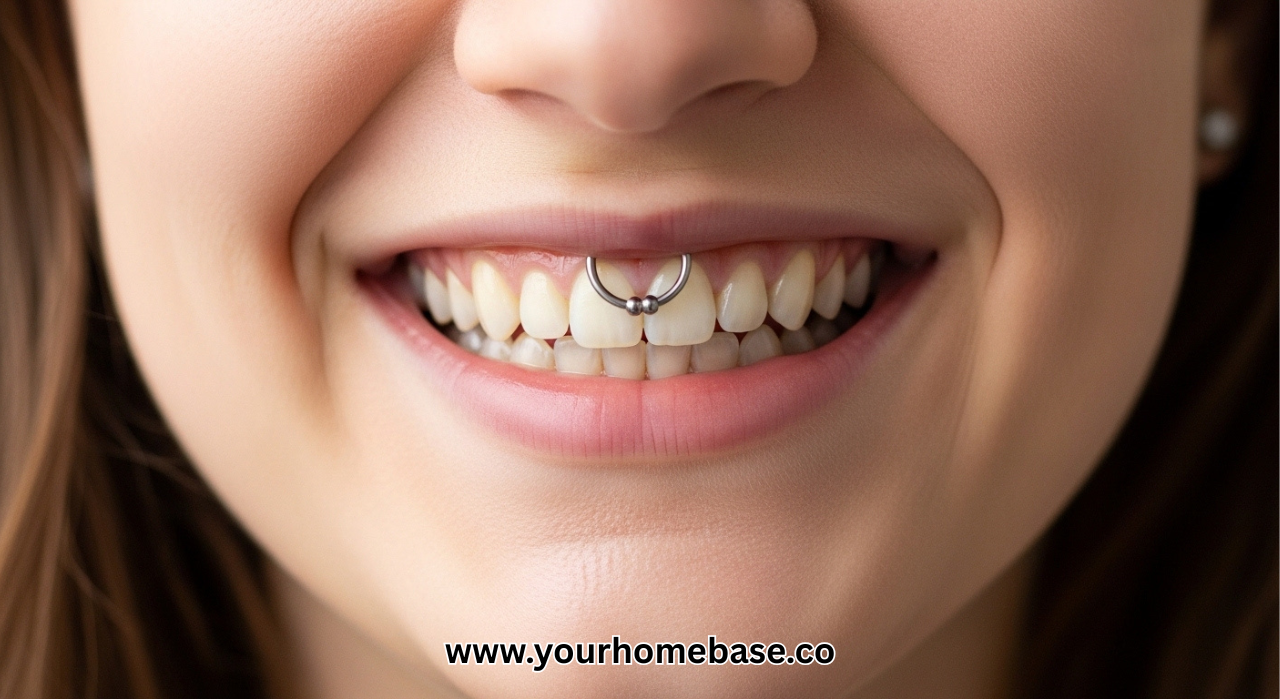
Body piercings have become a popular form of self-expression, offering a unique way to showcase personality and style. Among the more niche and intriguing piercings is the smiley piercing—a subtle yet bold choice for those who want to make a statement without being too obvious. In this guide, we’ll cover everything you need to know about this trendy oral piercing, from its placement and procedure to aftercare and potential risks.
What Is a Smiley Piercing?
A smiley piercing is a type of oral piercing that goes through the thin tissue connecting your upper lip to your gums, known as the frenulum. When you smile, the jewelry becomes visible, which is how this piercing earned its playful nickname. Despite its delicate location, the piercing is relatively quick to perform and can be a striking addition to your overall look.
Unlike lip or tongue piercings that are more noticeable all the time, a smiley piercing remains hidden when your mouth is closed. This makes it appealing for individuals who want a discreet but edgy piece of body art.
Types of Jewelry for Smiley Piercings
Choosing the right jewelry is crucial for both comfort and style. The most common options include:
-
Captive bead rings (CBR): Circular rings with a small bead that secures the jewelry in place. These are popular for their versatility and classic look.
-
Straight barbells: A small bar with decorative ends, typically beads or gemstones. Barbells are often recommended for initial piercings because they reduce irritation.
-
Curved barbells: Slightly curved jewelry that follows the natural curve of the frenulum, offering extra comfort in certain mouth shapes.
When selecting jewelry, always prioritize high-quality materials like surgical steel, titanium, or gold to reduce the risk of allergic reactions and infection.
The Smiley Piercing Procedure
Getting a smiley piercing is generally quick, taking about 5–10 minutes. Here’s what you can expect during the process:
-
Consultation: The piercer examines your mouth to ensure the frenulum is suitable for piercing. Not everyone has enough tissue, so this step is essential.
-
Preparation: The area is cleaned and sterilized. Most piercers use gloves and sterilized equipment to minimize infection risk.
-
Marking: The exact spot for the piercing is marked while your mouth is open.
-
Piercing: A hollow needle is used to create a small hole through the frenulum, and the chosen jewelry is inserted immediately.
-
Aftercare Instructions: You’ll receive detailed guidance on cleaning and caring for your piercing.
Pain and Healing Time
Pain tolerance varies from person to person, but most describe a smiley piercing as mildly uncomfortable rather than intensely painful. The piercing is small, and the procedure is quick, so the discomfort is usually brief.
Healing typically takes 4 to 12 weeks, depending on individual health and oral hygiene. During this period, it’s important to follow aftercare instructions carefully to avoid complications such as infection, swelling, or migration of the jewelry.
Aftercare Tips
Proper aftercare is critical for a smooth healing process. Here are some tips:
-
Maintain oral hygiene: Brush your teeth gently and rinse with an alcohol-free antibacterial mouthwash after meals.
-
Avoid irritating foods: Spicy, acidic, or hard foods can irritate the piercing in the first few weeks.
-
Minimize touching: Do not play with the jewelry, as this can introduce bacteria or cause trauma to the frenulum.
-
Regular cleaning: Clean the jewelry and surrounding area twice daily with saline solution or an oral-safe piercing cleaner.
-
Monitor for signs of infection: Swelling, unusual discharge, or persistent pain should prompt a visit to a professional piercer or dentist.
Risks and Considerations
While a smiley piercing is generally safe, there are some risks to be aware of:
-
Infection: Bacteria in the mouth can cause infection if proper hygiene isn’t maintained.
-
Gum or teeth damage: Jewelry can rub against gums or teeth, potentially causing recession or enamel wear.
-
Migration or rejection: Some people’s frenulum may not hold the piercing, causing the body to push it out over time.
-
Sensitivity issues: Nerve endings in the frenulum may make the piercing more sensitive than expected.
It’s essential to choose a reputable, professional piercer who uses sterile equipment to minimize these risks. Avoid DIY piercing attempts, as improper technique can cause permanent damage.
Who Should Consider a Smiley Piercing?
This piercing is ideal for individuals who:
-
Prefer subtle yet unique body art.
-
Have healthy oral tissues and gums.
-
Are willing to follow strict oral hygiene practices.
-
Want a piercing that’s easy to hide for work or formal settings.
However, people with thin frenulums, gum issues, or oral health problems may not be suitable candidates. A professional consultation is always recommended before proceeding.
Styling and Personal Expression
One of the most fun aspects of a smiley piercing is the ability to customize it. Some popular trends include:
-
Colored gemstones or beads for a pop of color.
-
Minimalist designs for a clean, sleek look.
-
Layering with other facial or ear piercings for a cohesive style.
Because the piercing is only visible when smiling, it offers a playful way to express personality without committing to a permanent statement visible all the time.
Frequently Asked Questions
Does it hurt?
Most people feel a quick pinch during the procedure, but long-term pain is minimal if proper care is taken.
Can I eat normally after getting it?
Yes, but it’s best to avoid hard, spicy, or acidic foods for the first few weeks to prevent irritation.
Can it affect dental health?
Improperly fitted jewelry or poor aftercare can cause gum recession or enamel wear, which is why professional piercing and hygiene are critical.
Is it easy to remove?
Yes, a professional can safely remove the jewelry anytime without scarring, although the frenulum may temporarily retain a small hole.
Final Thoughts
A smiley piercing is a unique and playful way to showcase individuality. Its discreet placement makes it an appealing choice for those who want edgy body art without constant visibility. Like any piercing, it requires careful consideration, professional handling, and proper aftercare to ensure a safe and satisfying experience.
If you’re looking for a piercing that combines subtlety with style, the smiley piercing might be your perfect choice. With the right jewelry, hygiene, and professional support, this small but eye-catching piece can make a big impression every time you smile.