
Imagine a dish that dances on your palate, where every bite reveals layers of flavor and texture. This culinary harmony is known as Simbramento—a beautiful concept that transcends mere cooking. It’s an art form, a celebration of balance in flavors, textures, and aromas that transforms ordinary meals into extraordinary experiences.
Whether you’re a seasoned chef or a home cook eager to elevate your skills, understanding the essence of Simbramento can unlock new dimensions in your dishes. Join us as we delve into this fascinating world where creativity meets technique. Discover how to bring out the best in each ingredient and create unforgettable meals that resonate with those lucky enough to share them with you. Let’s embark on this flavorful journey together!
What is Simbramento?
Simbramento is more than just a cooking technique; it’s a philosophy that centers around the art of balance. It involves harmonizing flavors, textures, and aromas to create dishes that truly resonate with the senses.
At its core, Simbramento encourages chefs and home cooks alike to think deeply about each ingredient’s role in a dish. It’s about finding that sweet spot where contrasting elements complement rather than compete.
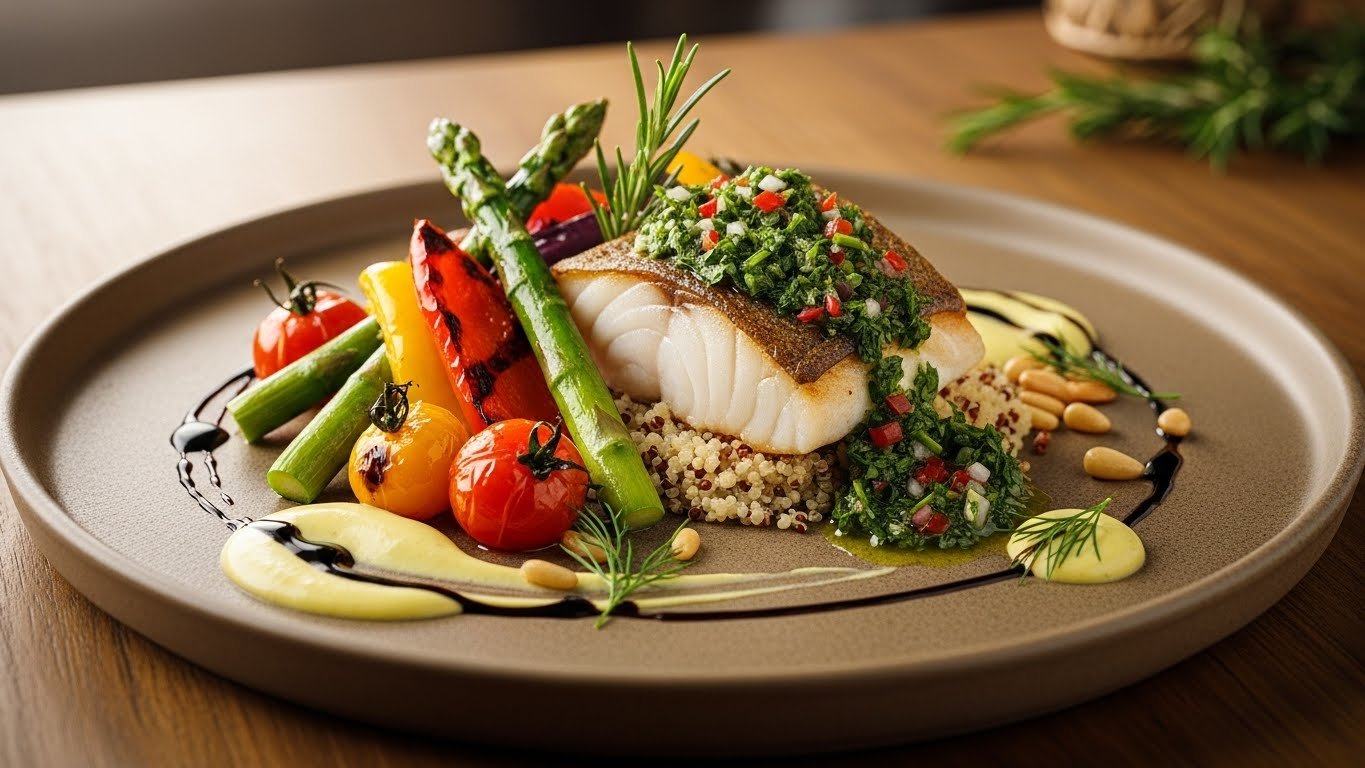
Imagine biting into a perfectly cooked piece of fish, its flaky texture paired with crispy garnishes and vibrant sauces. Each element enhances the other, creating an experience that’s both satisfying and memorable.
This approach invites experimentation while respecting traditional culinary principles. By embracing Simbramento, cooks can elevate their meals from simple sustenance to complex sensory adventures that leave a lasting impression on those who enjoy them.
The History and Origin of Simbramento
Simbramento, a term that resonates with culinary enthusiasts, has deep roots in diverse cultural practices. Its origins trace back to the vibrant kitchens of Italy, where chefs sought balance in their creations.
The concept emerged from the necessity to unite flavors and aromas harmoniously. Early cooks experimented with local ingredients, aiming for dishes that sang with complexity. This quest led to defining what we now celebrate as Simbramento.
As trade routes expanded, spices and herbs traveled far and wide. Each culture added its unique twist to this art form, enriching Simbramento’s tapestry. Mediterranean influences melded seamlessly with Asian techniques over centuries.
Today, many chefs honor these traditions while also innovating new variations. The essence remains: achieving equilibrium on a plate transforms an ordinary meal into an extraordinary experience.
The Importance of Balancing Flavors, Textures, and Aromas in Cooking
Balancing flavors, textures, and aromas is the essence of culinary artistry. It transforms a simple meal into an unforgettable experience.
Flavors create the foundation. Sweetness can brighten dishes while acidity brings vibrancy. Salty elements enhance depth, and bitterness can add sophistication. When these elements work in harmony, each bite becomes a delightful surprise.
Textures play a crucial role as well. A creamy sauce drizzled over crunchy vegetables adds contrast that excites the palate. Incorporating varied textures keeps diners engaged with every mouthful.
Aromas are often overlooked but significantly influence our perception of taste. The scent of fresh herbs or roasted spices can elevate even the most basic ingredients, inviting anticipation before the first bite.
Mastering this balance opens up endless possibilities in cooking—encouraging experimentation and inspiring creativity in every dish you serve.
Techniques for Achieving Simbramento in Your Dishes
To achieve simbramento in your dishes, start with meticulous ingredient selection. Fresh produce and high-quality proteins enhance flavor profiles significantly.
Layering flavors is essential. Begin with aromatics like onions or garlic, cooking them until fragrant before adding other components. This builds a solid foundation for the dish.
Experiment with various cooking methods too. Try roasting vegetables to develop caramelization or poaching meats for tenderness. Each technique contributes distinct textures that can elevate your culinary creations.
Don’t overlook seasoning variations. Herbs, spices, and acids such as citrus or vinegar can brighten up flavors and bring harmony to the plate.
Keep tasting throughout the process. Adjustments based on what you experience will guide you toward achieving true simbramento in every bite of your meal.
Pairing Ingredients for Perfect Flavor Harmony
Pairing ingredients is an art. It’s about understanding how flavors interact and enhance each other. Sweet complements salty, while acidity can brighten up richness.
Consider seasonal produce. Fresh tomatoes paired with basil create a classic harmony that sings of summer. The earthiness of mushrooms meets the creaminess of cheese for an umami explosion.
Don’t shy away from contrasts either. Spicy elements like chili can elevate sweet notes in desserts or fruits. This balance invites curiosity on the palate.
Textures matter as well. A crunchy topping over smooth soup adds a delightful surprise, making each bite interesting.
Experimentation is key to discovering new combinations that excite your taste buds. Keep a journal of what works and what doesn’t; it’s all part of the culinary adventure!
How to Incorporate Simbramento into Different Types of Cuisine
Simbramento can elevate any cuisine, whether traditional or modern. Start by exploring the foundational flavors of each culinary style. For instance, in Italian cooking, balance acidity with richness using fresh herbs and citrus.
In Asian cuisines, focus on contrasts—combine sweet sauces with spicy elements to create a symphony of tastes. Think about incorporating texture as well; crispy vegetables pair beautifully with silky noodles.
Mexican dishes benefit from the harmony of flavors too. Blend creamy avocado with zesty lime and kicky chilies for an unforgettable experience.
Even in baking, simbramento shines through. Pair savory spices like cinnamon with unexpected ingredients like sea salt for delightful surprises in desserts.
Experimentation is key across all cultures. Each dish tells a story through its ingredients; let simbramento narrate yours!
Tips for Experimenting with Simbramento
Experimenting with Simbramento opens up a world of culinary creativity. Start by playing with ingredient combinations that intrigue you. Think outside the box; unexpected pairings can lead to delightful surprises.
Don’t shy away from contrasting textures. A crunchy element can enhance creaminess, while a soft component might balance something crispy. This interplay is where true magic happens.
Aromatics are just as crucial. Try infusing oils or broths with herbs and spices before adding them to your dish for an aromatic boost.
Remember, tasting is key. Adjust flavors gradually as you combine ingredients—this will help you understand how they interact in real-time.
Keep notes on what works and what doesn’t so you can refine your approach over time. Every experiment brings new insights into achieving perfect Simbramento in your cooking adventures!
Conclusion
Simbramento is more than just a culinary technique; it’s an art form that demands attention to detail and creativity. By understanding the intricate balance of flavors, textures, and aromas, you can elevate your cooking to new heights.
Embrace this concept in your kitchen by practicing the techniques shared here. Experiment with various ingredients and combinations until you find what resonates best with your palate. Don’t be afraid to venture into different cuisines—each culture offers unique insights into achieving Simbramento.
This journey will not only improve your dishes but also deepen your appreciation for food as a whole. Enjoy the process of discovery as you create harmonious meals that tantalize the senses!