
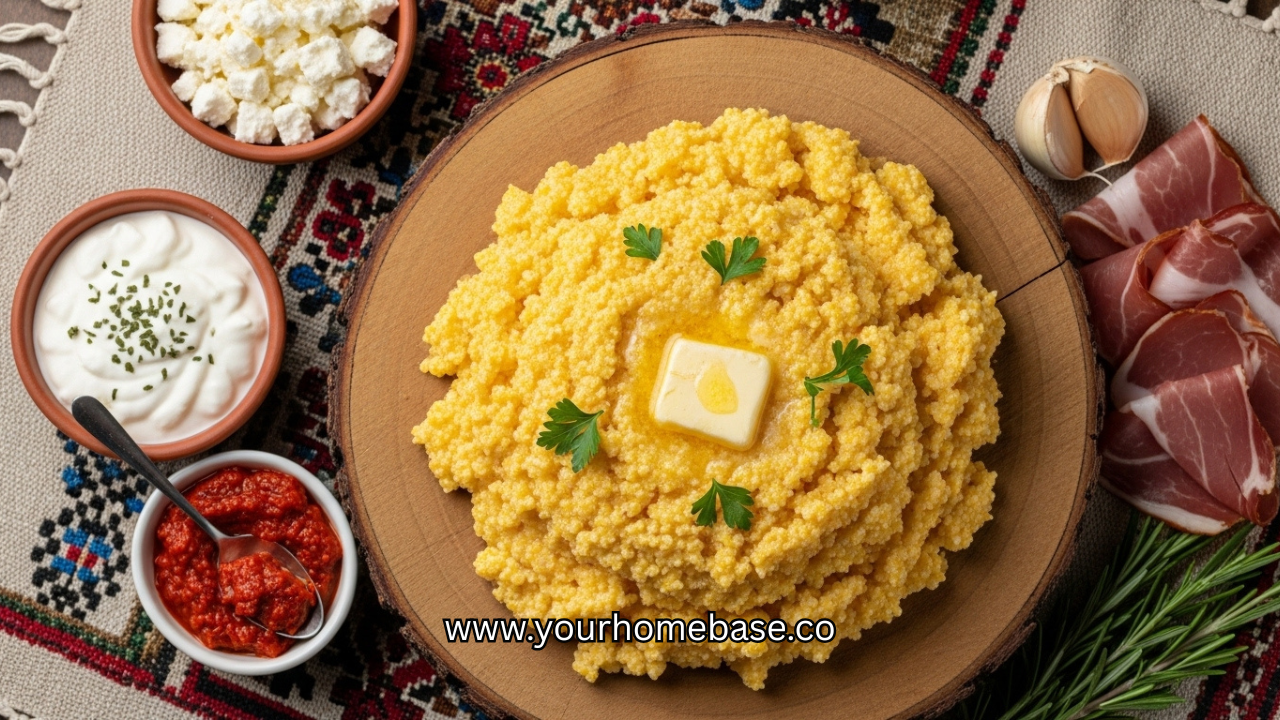
Food is a universal language, and certain dishes carry centuries of history, tradition, and regional adaptation. One such dish is palentu (also spelled palenta), a Balkan and Slavic variation of the well-known Italian polenta. Though often overlooked outside its regional context, palentu holds a special place in the culinary traditions of Southeastern Europe, offering both simplicity and versatility in its preparation. This article explores the origins, preparation methods, cultural significance, and modern adaptations of palentu, helping readers appreciate this delicious cornmeal-based dish.
What is Palentu?
Palentu is essentially a dish made from boiled cornmeal, cooked in water, milk, or broth until it reaches a thick, porridge-like consistency. It shares its roots with Italian polenta, but over centuries, the dish evolved to reflect regional tastes, ingredients, and culinary practices in the Balkans and Slavic countries.
The dish may be served soft and creamy, sliced and fried or baked, or combined with various sauces, cheeses, and meats. Its adaptability makes it a staple in both rural kitchens and modern dining tables, showcasing the ingenuity of local cooks in transforming simple ingredients into a filling, flavorful dish.
Historical Background of Palentu
The history of palentu is intertwined with the spread of corn (maize) to Europe, which arrived from the Americas in the 16th century. Initially, maize was embraced in Northern Italy and eventually spread to the Balkans, where local communities adapted it into their traditional diets.
In the Balkans, cornmeal became a reliable staple, especially in rural areas, due to its affordability and long shelf life. Palentu emerged as a dish that could feed families economically while allowing for endless variations in flavor and texture. Unlike the Italian polenta, which often emphasizes butter and cheese, palentu often incorporates regional ingredients like:
-
Local cheeses (such as feta-style or cottage cheese)
-
Herbs (like parsley or dill)
-
Sauces made from vegetables, tomatoes, or fermented products
Over time, palentu became more than just a practical meal—it evolved into a cultural symbol of comfort, family, and tradition across many Balkan households.
Ingredients Used in Palentu
Palentu is simple yet versatile, allowing cooks to adapt it according to availability and taste preferences. The core ingredient is cornmeal, usually coarsely ground for a more textured consistency. Other essential ingredients may include:
-
Liquid Base: Water, milk, or broth depending on the desired richness and flavor
-
Salt: For seasoning
-
Fat: Butter, lard, or oil to enrich the dish
Optional additions elevate palentu further:
-
Cheese: Soft or hard cheeses can be stirred in or sprinkled on top
-
Herbs and Spices: Dill, parsley, garlic, or paprika add regional flavors
-
Vegetables: Tomatoes, onions, peppers, or mushrooms
-
Meat or Fish: Sausages, bacon, or smoked meats for a more substantial meal
The beauty of palentu lies in its adaptability; it can be a simple vegetarian side dish or a hearty main course.
How to Prepare Traditional Palentu
The preparation of palentu requires patience and attention to achieve the desired creamy or firm consistency. Here’s a basic guide:
-
Boil the Liquid: Start with water, milk, or a combination. Bring it to a gentle boil.
-
Add Cornmeal Slowly: Pour in cornmeal gradually while whisking to avoid lumps.
-
Simmer and Stir: Reduce heat and stir continuously for 20–30 minutes. This helps develop a smooth texture.
-
Add Fat and Seasonings: Incorporate butter or oil, along with salt and optional herbs or cheese.
-
Serve: Soft palentu can be served immediately as creamy porridge, or poured into a mold to cool and solidify. Once firm, it can be sliced and fried, baked, or grilled for additional flavor and texture.
For a firmer version, it’s common to let palentu set in a tray after cooking, then slice it and lightly fry the pieces in oil or butter. This method gives a crisp exterior while keeping the inside soft and tender.
Regional Variations
Across the Balkans, palentu varies according to local tastes and available ingredients. Some notable regional versions include:
-
Serbia: Often served with cheese and sour cream, occasionally accompanied by smoked meats.
-
Croatia: Fried palentu slices are common, sometimes served with tomato-based sauces or mushrooms.
-
Bosnia and Herzegovina: Palentu is paired with hearty stews or used as a side for roasted meats.
-
Slovenia and Macedonia: Soft, creamy versions are popular, often enriched with butter and grated cheese.
Each variation showcases how a simple ingredient like cornmeal can take on a distinct character in different regions, reflecting local history, climate, and culinary traditions.
Palentu in Modern Cuisine
While palentu is traditionally a home-cooked dish, it has also found a place in contemporary restaurants. Modern chefs experiment with palentu by:
-
Infusing it with flavors like truffle oil or smoked paprika
-
Pairing it with exotic cheeses or seafood
-
Serving it as part of fusion dishes that blend Balkan traditions with global cuisine
Its adaptability allows palentu to be both nostalgic and innovative—a bridge between heritage and contemporary tastes.
Nutritional Benefits of Palentu
Palentu is not only versatile and tasty but also nutritionally valuable:
-
Cornmeal: A source of complex carbohydrates, fiber, and essential minerals like magnesium and iron.
-
Protein: Added via cheese, milk, or meat toppings.
-
Low Fat: When prepared with minimal butter or oil, palentu is a low-fat, wholesome option.
-
Gluten-Free: Naturally gluten-free, making it accessible to those with dietary restrictions.
The combination of carbs, fats, and protein makes palentu a filling meal that provides sustained energy—a reason why it has been a staple in labor-intensive rural communities for centuries.
Tips for Making Perfect Palentu
-
Choose the Right Cornmeal: Coarse or medium-ground cornmeal gives better texture than fine cornmeal.
-
Stir Continuously: Prevents lumps and ensures smooth consistency.
-
Adjust Liquid: More liquid yields a creamier porridge; less liquid produces firmer palentu.
-
Season Gradually: Taste frequently to ensure proper salt balance.
-
Experiment with Toppings: Cheese, herbs, or lightly fried vegetables enhance flavor and presentation.
Following these tips ensures a balanced, flavorful palentu that honors traditional methods while allowing for personal creativity.
Palentu as a Cultural Symbol
Palentu is more than food—it represents heritage and communal identity. In many Balkan regions:
-
Families gather around the table to enjoy palentu during seasonal festivals or everyday meals.
-
Recipes are often passed down through generations, each adding subtle variations.
-
Serving palentu signifies hospitality and care, reflecting the importance of food in social bonding.
By understanding palentu, one also gains insight into the history, economy, and lifestyle of Balkan communities.
Serving Suggestions
Palentu pairs well with various accompaniments:
-
Savory: Cheese, sautéed vegetables, meats, or tomato-based sauces.
-
Sweet: Honey, fruit preserves, or powdered sugar for dessert variations.
-
Breakfast: Creamy palentu served with milk or yogurt makes a hearty morning meal.
Its versatility makes it suitable for every meal of the day, allowing home cooks to adapt it according to taste, season, or occasion.
Palentu vs Polenta
While palentu and Italian polenta share the same core ingredient—cornmeal—there are subtle differences:
| Aspect | Palentu (Balkans) | Polenta (Italy) |
|---|---|---|
| Texture | Soft or firm, often fried | Typically creamy or firm |
| Flavor | Simple, sometimes savory-herb | Often buttered or cheesy |
| Cooking Liquid | Water, milk, or broth | Water, stock, or milk |
| Regional Twist | Herbs, local cheeses, smoked meat | Emphasizes butter, cheese, or tomato sauces |
| Cultural Role | Staple in everyday Balkan diet | Italian comfort and side dish |
These distinctions highlight how cultural adaptation can transform a simple dish into something unique while maintaining a shared heritage.
Conclusion
Palentu – the Balkan version of classic polenta – is a testament to the simplicity and ingenuity of regional cooking. From humble cornmeal to a versatile, nutritious dish, palentu represents centuries of culinary tradition, adapting to local tastes and ingredients. Whether served soft, fried, or baked, it continues to bring families together and showcase the richness of Balkan cuisine.
For anyone exploring Southeastern European food, palentu offers not just a delicious experience, but also a window into the history, culture, and daily life of the region. Its versatility, nutritional value, and cultural significance make it a dish worth learning, cooking, and sharing—a true culinary gem that transcends generations.
Whether you are a home cook, a food enthusiast, or a traveler exploring Balkan cuisine, trying palentu connects you to a living tradition of comfort, creativity, and community.