
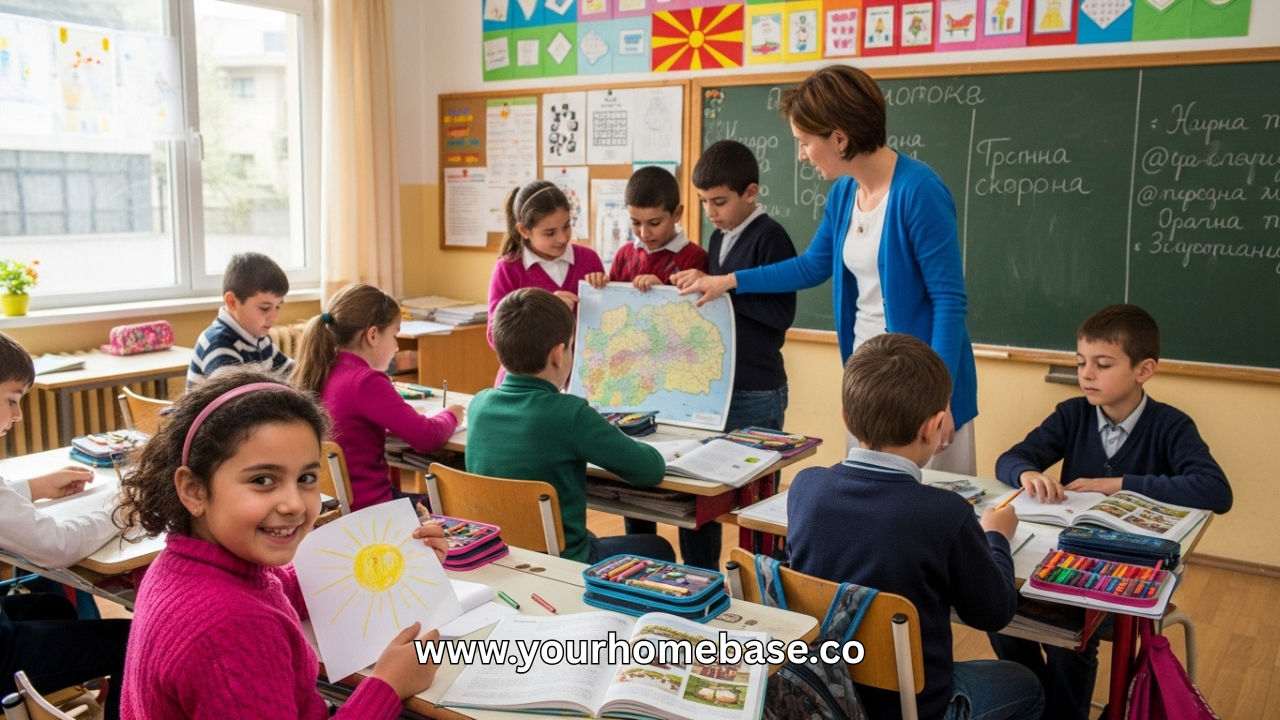
Education is the foundation of any society, and understanding how it works in different countries provides valuable insight. In Macedonia, the term “Osnovno Uciliste” refers to the primary or elementary schools where children begin their formal educational journey. These schools play a crucial role in shaping young minds, instilling values, and preparing students for further education and life challenges. This article explores the structure, curriculum, challenges, and unique aspects of Osnovno Uciliste in Macedonia.
What is Osnovno Uciliste?
The phrase Osnovno Uciliste literally translates to “primary school” in English. In Macedonia, this stage of education typically covers children aged 6 to 14 years, spanning grades 1 through 9. Education at this level is compulsory and free, reflecting the country’s commitment to ensuring all children have access to learning.
Osnovno Uciliste is divided into two cycles:
-
Lower Primary Cycle (Grades 1–5) – Focuses on basic literacy, numeracy, and foundational knowledge in subjects like science, social studies, and arts.
-
Upper Primary Cycle (Grades 6–9) – Introduces more specialized subjects, critical thinking skills, and prepares students for secondary education.
Curriculum in Osnovno Uciliste
The curriculum in Macedonian primary schools is designed by the Ministry of Education and Science to provide a well-rounded education. Core subjects include:
-
Macedonian Language and Literature: Emphasizes reading, writing, comprehension, and communication skills.
-
Mathematics: Covers arithmetic, geometry, problem-solving, and logical reasoning.
-
Natural Sciences: Introduces biology, physics, and chemistry concepts at a basic level.
-
Social Studies: Includes history, geography, civics, and understanding of Macedonian culture.
-
Foreign Languages: English is the most commonly taught second language, with some schools offering additional languages like German or French.
-
Arts and Music: Encourages creativity and expression through drawing, painting, and musical activities.
-
Physical Education: Promotes health, fitness, and teamwork.
In addition to these, students also engage in extracurricular activities, including sports, theater, debate clubs, and science competitions, which help develop social skills, creativity, and confidence.
Teaching Methods and Classroom Environment
Osnovno Uciliste emphasizes interactive and student-centered learning. Teachers use a combination of lectures, group activities, projects, and technology-enhanced lessons. Modern classrooms are increasingly equipped with digital tools, interactive whiteboards, and access to online resources, reflecting a push toward 21st-century learning skills.
Student assessment is continuous, combining tests, projects, participation, and homework. The goal is not only to measure academic performance but also to foster problem-solving abilities, critical thinking, and personal growth.
Role of Teachers in Osnovno Uciliste
Teachers in Macedonian primary schools are highly respected professionals who undergo rigorous training at Pedagogical Faculties in universities. They are responsible not only for academic instruction but also for guiding moral and social development. Teachers collaborate with parents and the community to create a supportive learning environment.
Challenges Facing Osnovno Uciliste
Despite progress, Osnovno Uciliste faces several challenges:
-
Infrastructure: Some schools, especially in rural areas, struggle with outdated facilities and limited access to technology.
-
Teacher Shortages: There is a need for more qualified teachers in specialized subjects.
-
Curriculum Modernization: While reforms are ongoing, some argue that the curriculum needs to better prepare students for the rapidly changing global landscape.
-
Inclusive Education: Efforts are being made to provide support for children with special needs, but gaps remain.
Recent Reforms and Innovations
Macedonia has been actively working to improve primary education through curriculum updates, teacher training programs, and digital education initiatives. For instance:
-
Digital Literacy Programs: Introduce students to coding, online research, and safe internet use.
-
Bilingual Education: Some schools offer instruction in both Macedonian and Albanian to support ethnic diversity.
-
Extracurricular Focus: More schools encourage participation in sports, arts, and science projects.
These initiatives aim to make Osnovno Uciliste more inclusive, engaging, and aligned with international educational standards.
Importance of Osnovno Uciliste in Society
Osnovno Uciliste plays a crucial role in Macedonian society. Beyond academic knowledge, it teaches values such as respect, cooperation, responsibility, and civic awareness. Graduates of primary schools form the foundation of the country’s secondary education system, which eventually leads to professional and personal success.
Additionally, these schools help bridge social divides, offering children from various backgrounds equal opportunities to learn and grow. By fostering critical thinking and creativity, Osnovno Uciliste contributes to building a more informed, capable, and innovative future generation.
How Parents Can Support Their Children
Parents play an essential role in enhancing their child’s experience in Osnovno Uciliste:
-
Active Engagement: Attend parent-teacher meetings and stay informed about school activities.
-
Homework Support: Encourage consistent study habits without overburdening the child.
-
Extracurricular Involvement: Promote participation in sports, arts, or clubs to develop diverse skills.
-
Emotional Guidance: Help children manage stress, build confidence, and develop social skills.
Future of Osnovno Uciliste
The future of primary education in Macedonia is promising. With ongoing reforms, technological integration, and a focus on inclusive, student-centered learning, Osnovno Uciliste is evolving to meet the demands of the 21st century. Efforts to improve teacher training, modernize curricula, and enhance school infrastructure are expected to make primary education more effective, equitable, and enjoyable for every child.
Conclusion
In summary, Osnovno Uciliste is more than just a place for academic learning in Macedonia—it is a foundation for personal growth, social development, and lifelong learning. From literacy and numeracy to arts, sports, and civic values, primary schools equip children with the tools they need to succeed in life. While challenges remain, ongoing reforms and innovations promise a bright future for Macedonian primary education, ensuring that every child has the opportunity to thrive.