
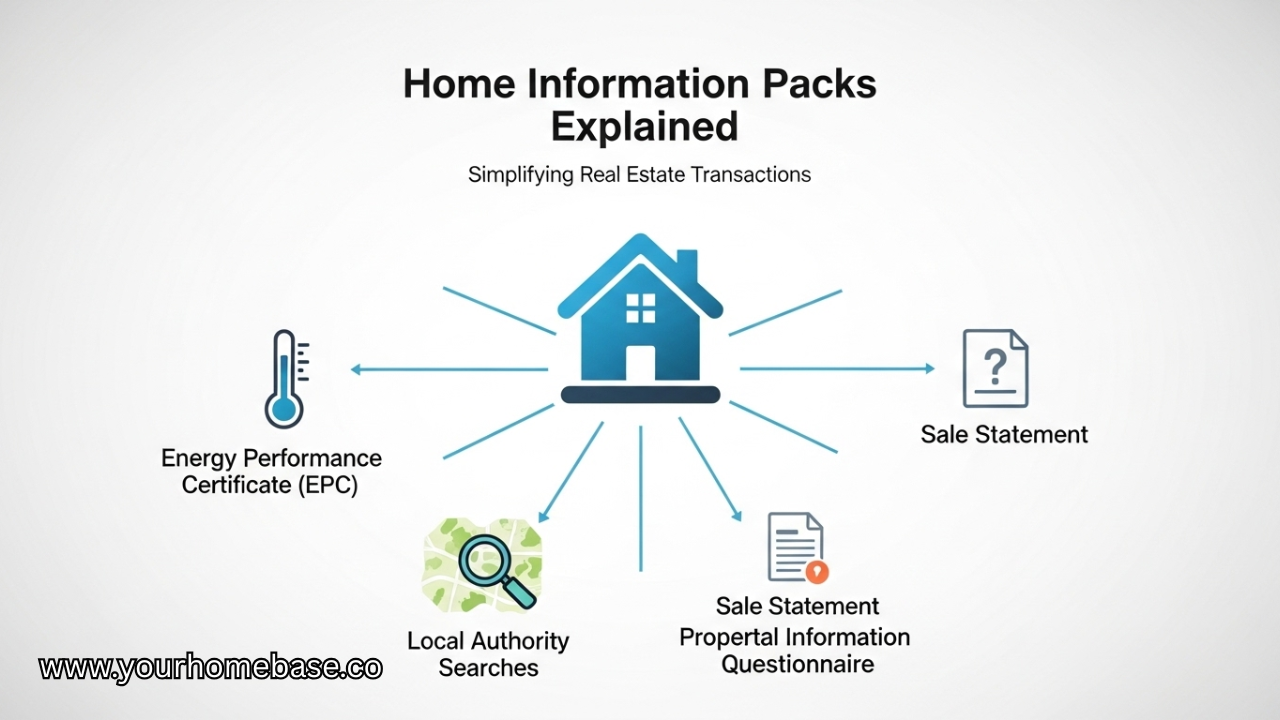
Navigating the real estate market can often feel like a labyrinth of paperwork, regulations, and endless questions. Home buyers and sellers alike want to streamline the process while ensuring they don’t miss any key details. Enter home information packs (HIPs)—a valuable resource designed to simplify transactions for everyone involved.
Whether you’re a first-time buyer or an experienced seller, understanding what a home information pack entails can save you time, money, and stress. Dive in as we unravel the essentials of HIPs and explore how they can enhance your property journey!
What are Home Information Packs?
Home information packs, commonly referred to as HIPs, are comprehensive bundles of documents related to a property. They provide essential information for potential buyers before making an offer. The aim is to promote transparency in real estate transactions.
Typically, these packs include details about the property’s title deed, planning permissions, and local authority searches. By presenting this information upfront, HIPs help streamline the buying process.
The introduction of home information packs was designed with both sellers and buyers in mind. Sellers can showcase their property more effectively while buyers gain access to crucial data that aids decision-making.
A well-prepared home information pack not only facilitates smoother transactions but also builds trust between parties involved in the sale.
The History of Home Information Packs
Home Information Packs (HIPs) emerged in the UK as a response to challenges within the real estate market. Introduced in 2007, their primary goal was to streamline property transactions and make them more transparent.
Before HIPs, buyers faced significant delays due to lengthy searches and documentation requirements. The government aimed for efficiency by providing essential information upfront. This included details like energy performance certificates and local authority searches.
However, the initial implementation encountered criticism regarding costs and effectiveness. Many believed that the packs didn’t significantly expedite sales or provide enough value for money.
By 2010, after just three years of operation, HIPs were officially scrapped due to their perceived ineffectiveness in improving transaction speed or protecting consumers adequately. Despite their short-lived presence, they did spark discussions about transparency in home buying processes that continue today.
The Purpose and Benefits of HIPs
Home Information Packs serve a clear purpose in simplifying the home buying and selling process. They provide essential information upfront, making transactions smoother for all parties involved.
One of the main benefits is transparency. Buyers gain access to crucial documents like property titles, energy performance certificates, and local searches before making an offer. This helps them make informed decisions without unexpected surprises later on.
For sellers, having a HIP ready can speed up the sales process. It showcases their commitment to transparency and professionalism. With everything organized in one pack, negotiations often go more smoothly.
Additionally, HIPs can enhance buyer confidence. Knowing that all necessary information is available fosters trust between buyers and sellers from the outset. This leads to quicker completions and less time spent waiting around during lengthy procedures.
What is Included in a HIP?
A Home Information Pack (HIP) is designed to provide potential buyers with essential information about a property upfront. This transparency can streamline the buying process.
Typically, a HIP includes important documents such as title deeds and property ownership details. Buyers will find crucial energy performance certificates that outline how energy-efficient a home is.
Additionally, local authority searches are part of the pack. These searches reveal any planning issues or restrictions related to the property.
The HIP may also contain warranties for recent works done on the home, like roofing or plumbing upgrades.
Sellers often include relevant survey reports that give insights into the property’s condition. Together, these elements make up a comprehensive overview meant to inform and attract serious buyers.
How to Obtain a HIP
Obtaining a Home Information Pack (HIP) is a straightforward process. Start by reaching out to local estate agents or specialized HIP providers. They have the expertise to guide you through.
It’s essential to compare prices and services before making a choice. Different providers may offer varying levels of detail in their packs, so do your research.
Once you’ve selected a provider, they will gather all necessary documents related to the property. This typically includes title deeds, energy performance certificates, and local authority searches.
Be prepared for some paperwork on your end as well. You’ll need to provide relevant information about the property you’re selling or buying.
After compiling everything, the provider will present you with your comprehensive HIP. You’ll find that having this pack ready can significantly streamline any real estate transaction down the line.
Pros and Cons of Using a HIP
Using a home information pack (HIP) has its advantages. It aims to speed up the buying process by providing essential documents upfront. This transparency can help buyers make informed decisions, reducing uncertainty.
However, there are drawbacks as well. Not all sellers may see value in creating a HIP, leading to inconsistencies in availability. Some potential buyers might prefer traditional methods of obtaining property information.
Additionally, the cost of compiling a HIP can be significant for sellers. While comprehensive packs offer clarity, they could deter those on tight budgets from entering the market.
Whether to use a HIP depends on individual circumstances and preferences. Weighing these pros and cons is crucial before making any commitments in real estate transactions.
Alternatives to Home Information Packs
Home Information Packs aren’t the only option for home sellers. Many alternatives exist that cater to different needs and preferences.
One common choice is a seller disclosure statement. This document provides potential buyers with essential information about the property’s condition without the comprehensive detail of a HIP.
Another alternative is an Energy Performance Certificate (EPC). Required by law in many places, this certificate rates a property’s energy efficiency, which can influence buyer decisions significantly.
Some sellers also opt for pre-inspections. By hiring a professional inspector before listing their home, they can identify issues early and address them proactively.
Digital platforms have emerged where sellers can provide vital information online directly to interested buyers. These tools streamline communication while offering flexibility in how details are presented.
Conclusion
Home Information Packs (HIPs) serve as a valuable resource in the real estate market. By streamlining property transactions, they offer transparency and efficiency for buyers and sellers alike. Understanding HIPs can alleviate some of the stress that comes with buying or selling a home.
As you navigate through your real estate journey, consider whether utilizing a home information pack is right for you. Weighing the pros and cons will help determine if this tool suits your needs better than other options available. Remember, informed decisions lead to successful transactions.
Whether you’re an experienced buyer or new to the market, knowledge is power—especially when it comes to one of life’s biggest investments: your home. Stay updated on trends and regulations surrounding Home Information Packs so you can make the most effective choices possible in your real estate endeavors.