
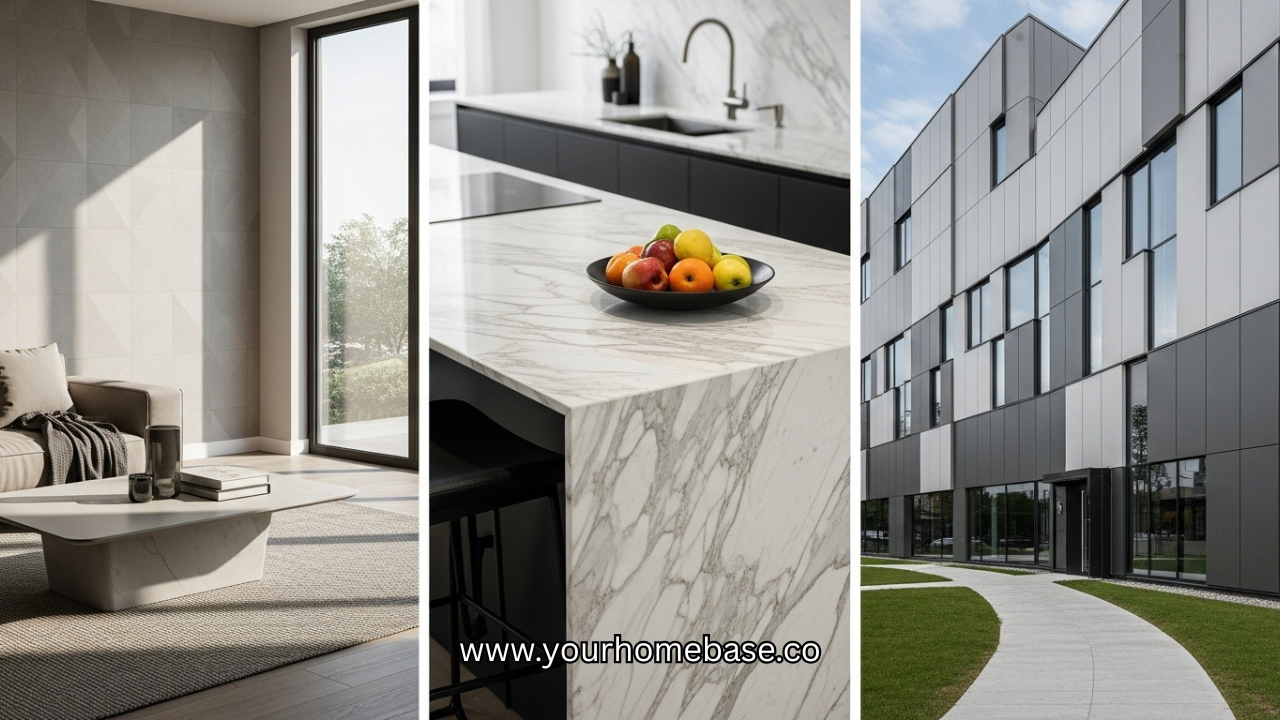
In the rapidly evolving world of interior design and architectural innovation, materials that blend durability, beauty, and sustainability are becoming indispensable. One such material that has captured attention for its unique properties and wide range of applications is Sodiceram. Though not as widely known as traditional ceramics or porcelain, Sodiceram stands out for its versatility. From sleek flooring and statement wall features to exterior cladding and artistic installations, Sodiceram is shaping contemporary design. In this article, we’ll explore what Sodiceram is, how it compares to other materials, and why designers, homeowners, and architects alike are increasingly choosing it to transform spaces.
What Is Sodiceram?
At its core, Sodiceram is a high-performance ceramic composite. It combines traditional ceramic materials with advanced binders and manufacturing techniques to achieve qualities that exceed those of conventional ceramics. Unlike standard ceramic tiles, which can be brittle and limited in scale, Sodiceram is engineered for enhanced strength, dimensional stability, and resistance to environmental stressors.
Some defining characteristics of Sodiceram include:
-
High durability and impact resistance
-
Low water absorption
-
Stain and chemical resistance
-
Large format possibilities
-
Aesthetic flexibility
-
Heat resistance and thermal stability
These properties make it suitable not just for residential interiors, but also for heavy-duty architectural applications.
Aesthetic Flexibility: A Designer’s Dream
One of Sodiceram’s most compelling strengths is its aesthetic adaptability. It can be finished in a vast spectrum of textures, patterns, and colors — from high-gloss polished looks to matte, tactile surfaces.
Mimicking Natural Stones
Design trends in recent years have gravitated toward natural materials — think marble, travertine, and slate. Sodiceram can convincingly replicate the nuanced veining of marble or the rugged look of natural stone, while offering greater performance benefits:
-
No need for sealants
-
Resistance to etching and staining
-
Easy maintenance
This makes Sodiceram especially attractive for homeowners who want the luxury of stone with greater practicality.
Custom Textures and Digital Printing
Advanced manufacturing allows for digital printing on Sodiceram surfaces, meaning designers can create bespoke visuals — something particularly useful for feature walls or brand spaces in commercial projects. The result is a material that doesn’t just serve functional needs but becomes a canvas for artistic expression.
In the Home: Interior Uses of Sodiceram
Sodiceram is increasingly popular in residential applications because it meets both aesthetic and practical demands. Below are some of its key uses within the home.
1. Flooring
Flooring is perhaps the most common application of Sodiceram. Its high durability makes it suitable for:
-
Living rooms
-
Kitchens
-
Bathrooms
-
Entryways and halls
Large format Sodiceram tiles can create a seamless, expansive look that enhances the perception of space. Unlike wood, it won’t warp or swell with moisture, and unlike carpet, it won’t absorb spills — making it ideal for both high-traffic and wet areas.
2. Wall Cladding and Accents
More than just a functional surface, Sodiceram can be used as an artistic element on interior walls. Designers are applying it as:
-
Feature walls in living and dining rooms
-
Backsplashes in kitchens
-
Accent panels around fireplaces
Because it comes in large sizes and intricate finishes, it reduces the number of seams, resulting in a cleaner and more striking visual appearance.
3. Kitchens: Countertops and Backsplashes
In kitchens, surfaces need to be both beautiful and resilient. Sodiceram fits the bill:
-
Heat resistance means you can place hot pots or pans without worry.
-
Non-porosity ensures it resists staining from oils, wines, and other common kitchen spills.
-
Its strength supports heavy use.
Whether used as countertops or extended up the wall as a backsplash, Sodiceram creates a cohesive, easy-to-maintain space.
4. Bathrooms: Wet Areas and Vanities
Bathrooms present a unique challenge: constant moisture and frequent cleaning. Sodiceram’s low porosity makes it highly resistant to water absorption — preventing mold, mildew, and long-term damage. It’s ideal for:
-
Shower surrounds
-
Floors
-
Vanity tops
-
Walls and niches
Its ability to mimic natural stone adds a spa-like feel without the drawbacks (like sealing requirements or susceptibility to damage).
In Architecture: External and Structural Uses
While Sodiceram is transforming interiors, its utility extends well into architectural design.
1. Facades and Cladding
Exterior facades must withstand harsh weather, UV exposure, and pollution. Sodiceram’s inherent resilience makes it ideal for:
-
Cladding on commercial buildings
-
Residential exteriors
-
Public spaces and plazas
It can be manufactured in large panels with a range of finishes, giving architects creative freedom without sacrificing durability.
2. Public and High-Traffic Spaces
Places like airports, shopping centers, museums, and transportation hubs benefit from materials that are:
-
Easy to clean
-
Scratch and impact resistant
-
Long-lasting with minimal maintenance
Sodiceram checks all those boxes, making it a preferred choice in both interior and exterior public environments.
Comparative Advantages Over Other Materials
To fully understand why Sodiceram is gaining traction, it helps to compare it with other common materials.
Vs. Natural Stone
Pros of Sodiceram:
-
More consistent performance
-
Lower maintenance (no sealing)
-
Greater resistance to stains and chemicals
-
Often more cost-effective
Cons of Natural Stone:
-
Porosity requiring sealing
-
Vulnerability to etching and wear
Vs. Porcelain and Traditional Ceramic
While porcelain and ceramics have long been staples in tiling, Sodiceram often outperforms them in:
-
Strength and impact resistance
-
Large format capabilities
-
Dimensional stability in extreme conditions
Traditional ceramics can be brittle or prone to cracking under stress; Sodiceram’s engineered composition addresses these limitations.
Vs. Engineered Surfaces (e.g., Quartz)
Engineered quartz is popular for countertops but has some limitations:
-
Sensitivity to heat
-
Visible seams in large installations
Sodiceram performs better with heat and offers larger, seamless formats — making it preferable for expansive designs.
Sustainability and Environmental Performance
In an era where sustainability is non-negotiable, Sodiceram holds its own. Many manufacturers are focusing on:
-
Low-impact production processes
-
Recycled raw materials
-
Energy-efficient manufacturing
The result is a material that not only looks good but aligns with environmental goals — a key consideration for eco-conscious designers and clients.
Installation and Maintenance: Practical Considerations
Installation
Because Sodiceram tiles and panels can come in larger formats, installation requires:
-
Proper support and substrate preparation
-
Skilled installers familiar with large panels
-
Precision to avoid lippage (uneven edges)
Despite these needs, once installed, the result is low-maintenance and long-lasting.
Maintenance
One of the biggest advantages of Sodiceram is how easy it is to care for:
-
Daily cleaning with mild solutions
-
No need for sealing
-
High resistance to scratches and stains
This makes it particularly appealing for busy households and commercial spaces alike.
Current and Emerging Trends with Sodiceram
Design trends are constantly evolving, but several clear themes have emerged around Sodiceram:
1. Ultra-Large Format Tiles
The trend toward minimal seams and expansive surfaces makes ultra-large Sodiceram tiles popular in both modern and transitional interiors.
2. Matte Finishes
While high-gloss surfaces have their place, matte and textured finishes are increasingly preferred for adding warmth and depth — especially in residential spaces.
3. Integrated Indoor-Outdoor Spaces
With the rise of indoor-outdoor living, designers are using the same Sodiceram surfaces both inside and outside, creating a seamless flow between spaces.
4. Artistic and Custom Installations
From digitally printed murals to sculptural elements, Sodiceram’s adaptability encourages designers to push creative boundaries.
Final Thoughts
The design world is increasingly defined by materials that can do more — aesthetically, functionally, and sustainably. Sodiceram embodies this progression. It’s not merely a substitute for other materials; it’s a forward-looking choice that empowers design innovation.
Whether you’re a homeowner dreaming of a sleek, low-maintenance kitchen, an architect seeking resilient façade solutions, or a designer crafting bespoke interior environments, Sodiceram offers a blend of performance and beauty that few materials can rival.
By combining technical excellence with artistic versatility, Sodiceram is more than a trend — it’s a material that’s shaping the spaces we live, work, and interact in every day.