
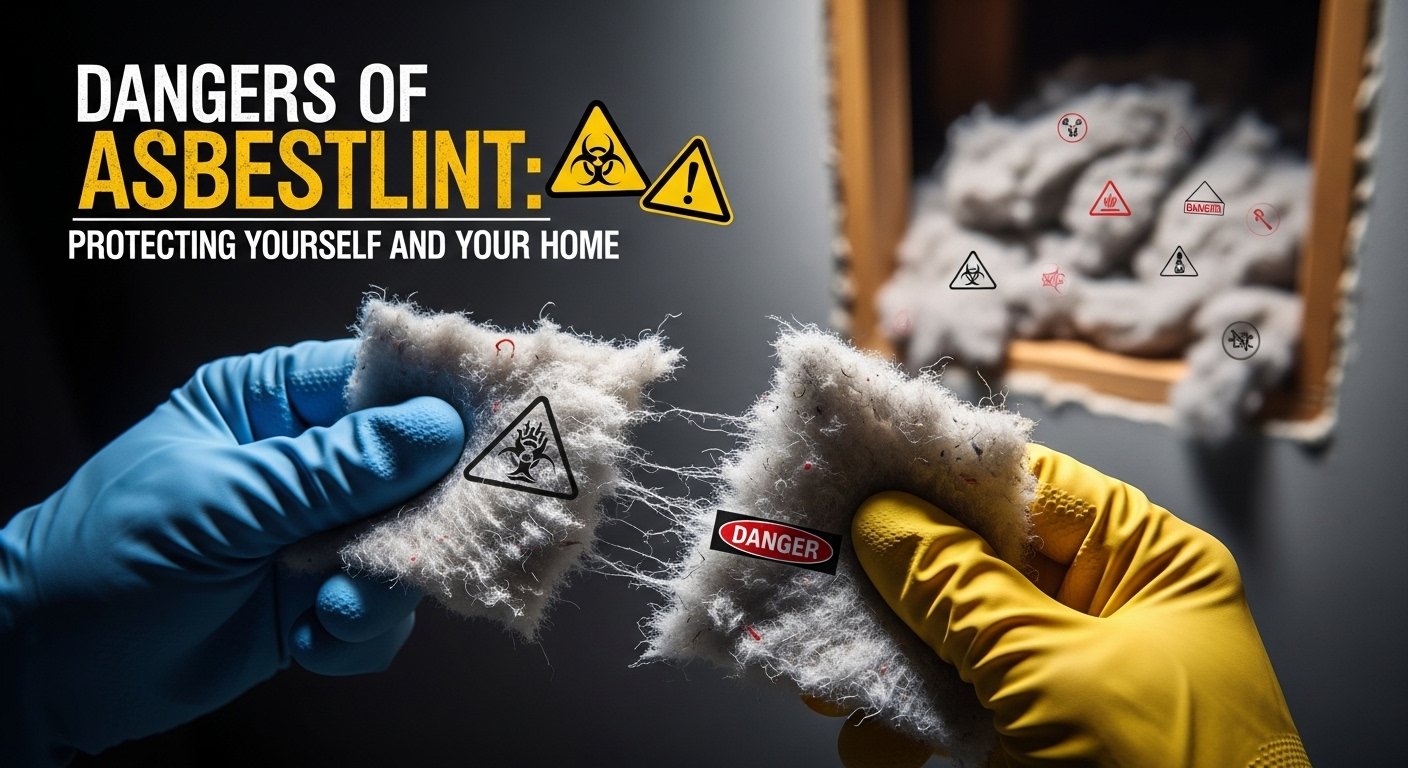
Asbestlint, or asbestos tape, has been a common material in homes and buildings for decades. While it may seem harmless at first glance, the dangers associated with this substance are significant. Many homeowners remain unaware of the risks lurking within their walls. With its once-popular use in insulation, fireproofing, and construction materials, asbestos can pose serious health threats if disturbed.
Understanding what asbestlint is and where you might find it is crucial to safeguarding your home and loved ones. As we dive into the world of asbestos, we’ll uncover its hidden dangers and explore essential steps you can take to protect yourself from exposure. Let’s delve deeper into this topic so that your living space remains safe and sound!
What is Asbestos and Where Can it Be Found?
Asbestos is a naturally occurring mineral known for its heat resistance and durability. It has been widely used in construction materials, insulation, roofing products, and even automotive parts.
You’ll often find asbestlint in older homes built before the 1980s. This tape was commonly used to seal joints or reinforce ductwork. Its fibrous structure made it an attractive choice for builders looking for strength and fireproofing.
Aside from residential properties, asbestos can also be present in schools, hospitals, and industrial buildings. In some cases, it might lurk within textured ceilings or flooring tiles.
Recognizing where asbestlint might hide is essential for your safety. If you suspect that these materials are present in your home, taking immediate action should be your next step.
The Health Risks of Asbestos Exposure
Asbestos exposure poses serious health risks that cannot be ignored. When asbestos fibers are inhaled, they can become trapped in the lungs, leading to chronic respiratory issues.
One of the most severe conditions associated with asbestos is mesothelioma, a rare and aggressive cancer affecting the lining of the lungs and abdomen. Symptoms often do not appear until decades after exposure, making early detection challenging.
Lung cancer is another significant concern linked to asbestos. The risk increases for those who smoke or have prolonged exposure to these hazardous materials.
Additionally, asbestosis—a progressive lung disease—can also develop from inhaling these fibers over time. This condition causes scarring of lung tissue and difficulty breathing.
The dangers extend beyond immediate health effects; emotional distress can arise from knowing you’ve been exposed to such toxic substances. Awareness is vital for safeguarding your well-being and that of your loved ones.
Signs of Asbestos in Your Home
Identifying signs of asbestlint in your home can be crucial for your safety. Look for building materials that were commonly used before the 1980s, such as insulation, floor tiles, and textured ceilings.
Cracked or damaged materials might indicate the presence of asbestos. If you notice frayed edges on insulation or significant wear on older products, it’s worth investigating further.
Pay attention to where these materials are located. Asbestos is often found in attics, basements, and around pipes and ducts. If you’re renovating an older home or working on repairs in these areas, remain cautious.
Visual signs may not always be clear-cut. Sometimes the threat lies beneath surfaces like wallpaper or behind walls—making professional inspection vital if you suspect asbestos contamination.
Always trust your instincts; if something feels off about a material’s condition or age, seek expert advice promptly to ensure peace of mind regarding potential exposure risks.
How to Safely Remove Asbestos from Your Home
Removing asbestos from your home is a delicate process that requires careful planning. First, assess the extent of the contamination. If you suspect significant amounts of asbestlint, it’s wise to contact professionals who specialize in hazardous material removal.
If you opt for DIY methods, ensure you have proper gear: respirators designed for asbestos protection, disposable coveralls, and gloves are essential. Always work in a well-ventilated area to minimize inhalation risks.
Wetting down materials can help reduce dust before removal. Use a HEPA vacuum for cleanup rather than traditional vacuums that could spread fibers into the air.
When disposing of asbestos-laden materials, follow local regulations strictly. Seal them in double plastic bags and clearly label them to alert waste handlers about their contents. Safety is paramount; take every precaution seriously during this critical task.
Alternatives to Asbestos Products
As awareness of the dangers of asbestlint grows, alternatives have emerged that are safer and more sustainable. Many industries now favor non-toxic materials for insulation, roofing, and flooring.
One popular substitute is fiberglass. It provides excellent thermal insulation without the harmful effects associated with asbestos fibers.
Another option is cellulose insulation made from recycled paper products. This eco-friendly choice effectively reduces energy costs while ensuring a healthier indoor environment.
For roofing materials, consider rubber or metal options that resist weathering without posing health risks. These materials offer durability along with aesthetic appeal.
In construction, natural fiber composites such as hemp or flax are making waves as sustainable choices that outperform traditional options in many aspects.
These alternatives not only protect our health but also contribute to reducing environmental impact through responsible sourcing and production practices.
Laws and Regulations Surrounding Asbestos
Asbestos regulation varies significantly across regions, making it crucial to understand the laws that apply in your area. Many countries have implemented strict guidelines to manage asbestos use, removal, and disposal.
In the United States, for example, the Environmental Protection Agency (EPA) plays a vital role. It oversees regulations regarding asbestos in buildings and has set standards for its safe handling.
Similarly, European nations have largely banned asbestos products altogether due to their health risks. Each country maintains specific protocols for identification and remediation.
Homeowners must familiarize themselves with local requirements concerning asbestlint management. Failing to comply can lead not only to penalties but also increased health risks for you and your community.
Always consult professionals who are well-versed in local laws when dealing with potential asbestos issues. This ensures that any action taken is safe and legally compliant.
Conclusion
As the dangers of asbestlint become increasingly evident, it’s crucial to take proactive steps in safeguarding your home and health. Awareness is key; knowing where asbestos can be found helps you identify potential risks before they escalate. If you suspect that your living environment contains asbestlint, it’s essential to act quickly.
Educate yourself about the signs of its presence and prioritize safety when dealing with suspected materials. Always consider hiring a professional for removal or abatement tasks, as attempting to handle asbestos on your own can expose you and others to serious health hazards.
Additionally, explore alternative products that do not contain asbestos. Many options are available today that offer similar benefits without the associated risks. Stay informed about laws and regulations concerning asbestos in your area—these guidelines exist to protect public health.
Taking these actions will not only help ensure a safer living space but also contribute to broader community efforts in reducing exposure risks from this dangerous material. Protecting yourself and your loved ones should always come first; understanding asbestlint is an essential step toward achieving peace of mind at home.