
Doors are more than just entry points into our homes; they symbolize welcome and protection. But have you ever noticed how their heights vary across different regions? The average door height can tell us a lot about a culture, architectural style, and even practicality in everyday life. Whether it’s the standard size of doors in North America or the unique specifications found in Asia and Africa, these dimensions reflect diverse living experiences around the globe. Join me as we take a closer look at door heights worldwide and what they reveal about our environments.
The Standard Door Height in the United States and Canada
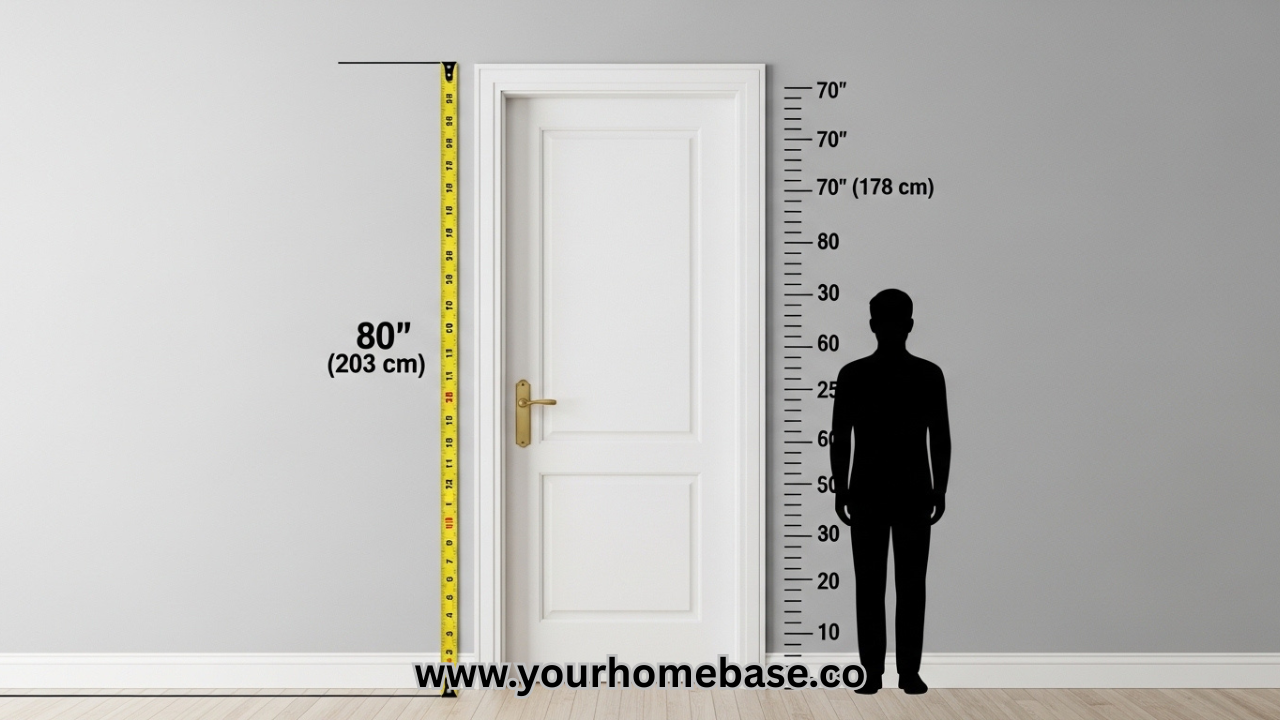
In the United States and Canada, the standard door height is typically 80 inches, or about 6 feet 8 inches. This measurement has become a widely accepted norm in residential construction.
This height accommodates most people comfortably. It provides ample clearance for furniture and other tall items as they pass through doorways.
Door frames are usually designed to fit this standard size easily, streamlining both manufacturing and installation processes.
For homes with higher ceilings, some homeowners opt for doors that reach up to 96 inches or more. These can create an impressive visual impact while enhancing a sense of spaciousness.
It’s also worth noting that specialty doors may vary in height based on individual needs or design preferences. Customization options abound for those looking to add a unique touch to their spaces.
Variances in Door Heights Across Europe
Europe showcases a fascinating array of door heights, reflecting its rich architectural diversity. In the UK, standard internal doors often stand at 1981 mm (78 inches). Meanwhile, in countries like France and Germany, common door dimensions can be slightly shorter or taller.
Southern European nations frequently favor arched or ornate designs. These variations add character while also impacting height standards. For example, traditional Spanish homes might feature lower doorways that highlight their rustic charm.
Scandinavian countries embrace minimalism with sleek lines and consistent proportions. Here, you may find doors averaging around 2100 mm (83 inches) high to accommodate spacious interiors.
The variance isn’t just aesthetic; it’s practical too. Different climates influence local building practices as well as cultural preferences for space and light within living areas.
Unique Door Heights in Asia and Africa
In Asia, door heights can vary significantly based on regional architecture and cultural influences. For example, traditional Japanese homes often feature lower doorways that encourage a bowing gesture upon entry. This design not only reflects respect but also helps keep the home warm by minimizing drafts.
Moving to Africa, there’s a fascinating mix of styles influenced by climate and materials. In some regions, such as Morocco, you’ll find grand arched doors that are quite tall and ornate. These entrances serve both practical purposes—providing ventilation—and aesthetic ones.
Conversely, in rural areas across sub-Saharan Africa, smaller door openings are common due to local building practices and available resources. Here, the focus shifts toward practicality rather than grandeur. Each height tells a story about its culture’s values and environmental adaptations.
Cultural and Practical Reasons for Varying Door Heights
Door heights are influenced by various cultural and practical factors. In many regions, traditions dictate the dimensions of doorways. For instance, in some Asian cultures, taller doors symbolize wealth and prestige.
Practical considerations also play a significant role. In countries with heavy snowfall or flooding, higher doorways help mitigate water damage. Conversely, in warmer climates, lower thresholds can facilitate airflow.
Architectural styles contribute to this diversity as well. Historical influences shape how buildings are constructed today. The grandeur of Gothic cathedrals often features soaring door heights that evoke awe.
Moreover, accessibility standards have emerged to address the needs of all individuals. These regulations ensure that entrances accommodate wheelchairs and other mobility devices effectively.
Personal preferences further influence choices in residential settings. Homeowners may opt for unique designs tailored to their tastes while considering functionality alongside aesthetics.
Tips for Choosing the Right Door Height for Your Home
When choosing the right door height for your home, consider the overall architecture of your space. A tall ceiling might call for a higher door to create visual harmony.
Think about functionality too. If you have large furniture or appliances moving in and out frequently, a taller door can make life easier.
Don’t forget aesthetics. Standard heights work well but custom designs may enhance your interior style. Whether modern or traditional, align the door height with your design vision.
Keep accessibility in mind. Ensure that all household members can comfortably navigate through doors without issue. Prioritize their needs when making this decision.
Measuring twice before purchasing is always wise. Small differences in height can impact installation and usability down the line.
Conclusion
Understanding the average door height around the world reveals much about cultural nuances and practical needs. From the standard door heights in North America to the varied dimensions found across Europe, Asia, and Africa, it’s clear that these measurements reflect more than mere aesthetics. Whether influenced by climate or tradition, every region has its own unique approach to door design.
When selecting a door height for your home, considering local standards is essential but don’t hesitate to think outside of conventional measures. Custom doors can add character while ensuring functionality meets your specific requirements. Take time to assess what fits best with your space—both visually and practically.
As you explore options for new doors or renovations, remember that height matters not just for appearance but also accessibility and comfort within your living environment. Embrace the diversity of designs available globally while making choices tailored specifically for you.