
The steel industry plays a pivotal role in our modern world, shaping everything from infrastructure to automotive design. Among the various types of steel produced, interstitial free steel (IFS) stands out for its unique properties and applications. This innovative material is gaining traction due to its excellent formability and weldability, making it ideal for use in industries requiring high strength with low weight.
However, as the demand for IFS grows, so do concerns about its environmental impact. The production processes behind this advanced steel type are not without consequences. Understanding these effects is crucial as we strive toward more sustainable manufacturing practices. Let’s delve into what interstitial free steel is all about and explore how its production impacts our environment—while also seeking solutions that can pave the way for greener methods in this essential industry.
Production Process of IFS
The production of interstitial free steel (IFS) begins with high-quality raw materials. Iron ore, coke, and limestone are carefully selected to ensure minimal impurities. These elements undergo smelting in a blast furnace where intense heat transforms them into molten iron.
Next, the process shifts to refining. Molten iron is subjected to oxygen blowing in a converter. This step reduces carbon content significantly, making it suitable for producing IFS.
After refining, alloying agents like titanium and niobium are added. These create a fine grain structure that enhances formability without sacrificing strength.
Continuous casting follows this phase. The liquid steel solidifies as it’s poured into molds—forming slabs ready for rolling.
Hot or cold rolling processes shape the steel into desired thicknesses while maintaining its unique properties intact. This meticulous journey ensures that each piece of interstitial free steel stands out in quality and performance.
Environmental Effects of IFS Production
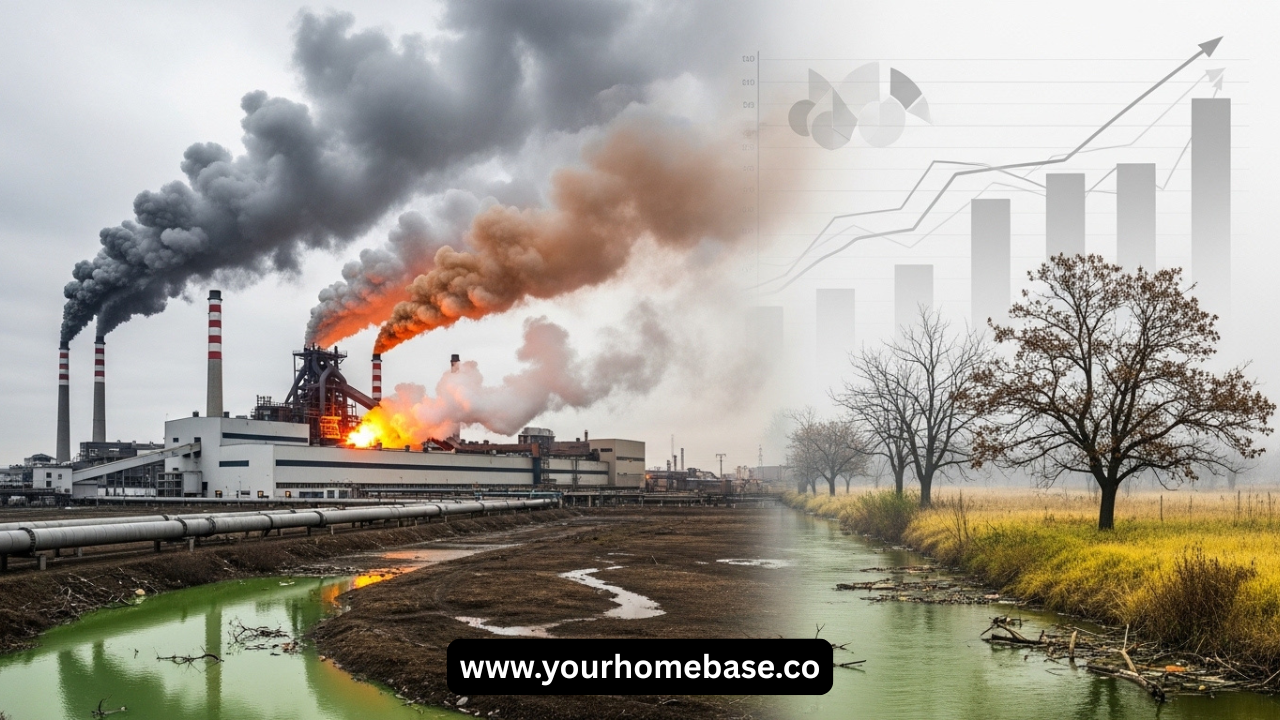
The production of interstitial free steel (IFS) comes with distinct environmental challenges. This advanced material, prized for its formability and strength, involves processes that can release harmful pollutants into the air and water.
One significant issue is greenhouse gas emissions. The heating and processing stages require vast amounts of energy, often derived from fossil fuels. This contributes to climate change and affects overall air quality.
Water usage in IFS manufacturing also raises concerns. Large quantities are needed for cooling systems, which can lead to water scarcity in certain regions. Additionally, any contamination during production can harm local ecosystems.
Land degradation is another impact worth noting. The mining activities necessary for raw materials disrupt natural habitats and landscapes. These effects ripple through communities reliant on these environments for their livelihood or recreation.
Addressing these challenges requires innovative approaches throughout the steel industry’s supply chain.
Air Pollution Control Measures in IFS Production
The production of interstitial free steel (IFS) involves several processes that can release pollutants into the air. To combat this, manufacturers have adopted a variety of air pollution control measures.
One common approach is installing advanced filtration systems. These devices capture harmful emissions before they escape into the atmosphere. This not only reduces airborne contaminants but also ensures compliance with environmental regulations.
Another effective strategy is the use of scrubbers, which clean exhaust gases through chemical reactions. By neutralizing acids and particulates, scrubbers significantly lower their impact on surrounding communities.
Additionally, many facilities are shifting to cleaner energy sources for production. Utilizing renewable energy minimizes reliance on fossil fuels and decreases greenhouse gas emissions.
Regular monitoring of air quality around IFS plants further enhances these efforts. It allows for real-time adjustments to operations based on pollution levels detected in the environment.
Water and Land Conservation Efforts in IFS Production
Water conservation is a crucial aspect of interstitial free steel production. Manufacturers are increasingly adopting closed-loop systems to recycle water, minimizing waste and reducing overall consumption.
Efforts extend beyond water use. Steel plants are now focusing on land preservation. Many facilities implement green belts around their sites. These areas not only enhance biodiversity but also serve as natural barriers against pollution.
Innovative practices such as rainwater harvesting are gaining traction too. By collecting and storing rainwater, companies can lessen their dependence on local water supplies.
Soil management plays a vital role in these efforts as well. Sustainable farming techniques help restore land used for mining activities, ensuring that ecosystems remain intact after extraction processes are complete.
Together, these initiatives reflect the industry’s commitment to responsible environmental stewardship while producing high-quality interstitial free steel.
Green Innovation in the Steel Industry
Green innovation is reshaping the steel industry, pushing boundaries to create a more sustainable future. Technologies such as electric arc furnaces are gaining traction, allowing for scrap metal recycling while reducing carbon emissions significantly.
Additionally, advancements in hydrogen-based steelmaking processes are emerging. This method utilizes hydrogen instead of carbon to reduce iron ore into pure iron. The result? A drastic cut in greenhouse gas output.
Companies are also focusing on energy efficiency improvements. Smart manufacturing techniques optimize resource use and minimize waste during production.
Collaboration with research institutions has led to breakthroughs in eco-friendly materials and methods. By investing in renewable energy sources, many facilities now harness solar or wind power to operate their plants.
These progressive steps reflect an industry that recognizes its responsibility toward environmental stewardship. Embracing green technologies not only benefits the planet but can enhance market competitiveness too.
Conclusion
The steel industry plays a crucial role in modern manufacturing, yet its environmental footprint cannot be ignored. The production of interstitial free steel (IFS) comes with challenges that need attention. As demand for sustainable practices grows, the push for greener methods becomes more pressing.
Transitioning to sustainable steel production is not just a trend; it’s a necessity. Innovations such as carbon capture technology and increased use of recycled materials show promise. These advancements can help mitigate the adverse effects associated with traditional IFS production.
Adopting eco-friendly practices will benefit both manufacturers and consumers alike. A commitment to reducing air and water pollution is essential for protecting our planet’s resources while still meeting industrial needs.
As industries strive for progress, collaboration among stakeholders—from producers to policymakers—is key. Together, they can foster an environment where sustainable methods thrive alongside economic growth.
Embracing sustainability in IFS production isn’t merely about compliance or image; it’s about ensuring a healthier future for generations to come. Prioritizing environmentally responsible techniques will pave the way toward a cleaner and greener world of steel manufacturing.