
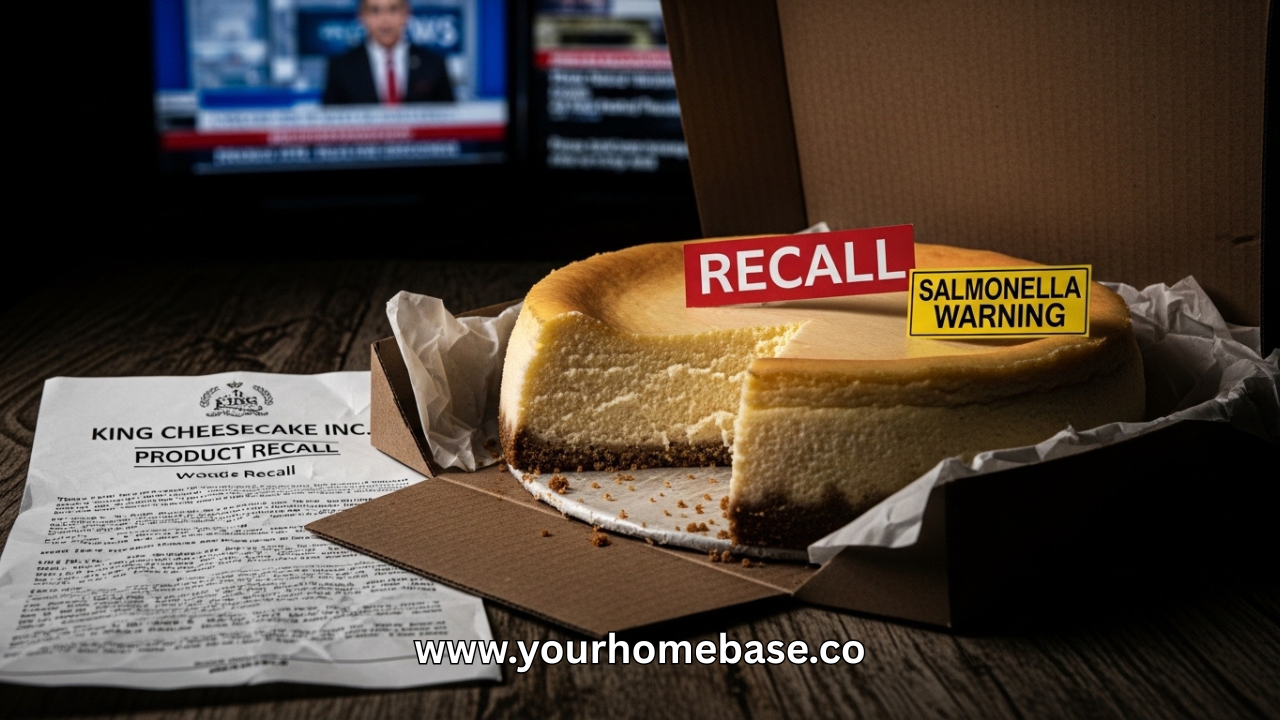
In a significant food safety alert, the King Cheesecake Company, Inc. has voluntarily recalled several of its popular cheesecake and layer cake products after potential contamination with Salmonella bacteria was identified. The recall has triggered warnings from health authorities and concerns among consumers across multiple states.
This recall underscores the importance of food safety and highlights how even widely loved desserts can become public health risks if contamination occurs during ingredient sourcing or manufacturing.
What Triggered the Recall?
The recall was prompted after it was discovered that pecans used in certain King Cheesecake products may have been contaminated with Salmonella. To protect consumers, the company swiftly removed the affected products from store shelves and advised customers not to consume them.
Although no illnesses have been officially linked to the recalled products yet, the presence of Salmonella in any food item is a serious concern. This bacteria can cause foodborne illness, sometimes severe, making immediate action crucial.
Products Affected in the Recall
The recall affects several King Cheesecake products manufactured between June 20 and July 14, 2025. These include:
-
Italian Layer Cake
-
Carrot Layer Cake
-
Tres Leches Cheesecake
-
Hummingbird Layer Cake
-
Chocolate Tres Leches Cheesecake
-
Assorted Layer Cake
These cakes were distributed in multiple states including Alabama, Texas, Florida, Louisiana, Oklahoma, and Illinois. Consumers who purchased any of these items during the production window are strongly advised not to eat them and to either discard them safely or return them to the place of purchase for a refund.
Understanding Salmonella and Health Risks
Salmonella bacteria are among the most common causes of foodborne illness in the United States. Infection can lead to symptoms such as diarrhea, abdominal cramps, fever, and vomiting, typically appearing 12 to 72 hours after exposure. While most healthy individuals recover without treatment, young children, older adults, pregnant women, and people with weakened immune systems are at higher risk for severe illness.
Annually, Salmonella infections affect over a million Americans, leading to hundreds of thousands of doctor visits and hospitalizations. In severe cases, particularly for vulnerable populations, it can be life-threatening.
Although many associate Salmonella with raw eggs or poultry, it can contaminate a variety of foods at any point in the supply chain. In the King Cheesecake case, contaminated pecans are believed to be the source, though investigations are ongoing.
FDA Response and Classification of the Recall
The FDA classified this recall as Class I, the most serious recall level. Class I is used when there is a reasonable probability that consuming the product will cause serious health consequences or death.
This classification emphasizes the potential severity of the situation and serves as a warning to both retailers and consumers to handle the recalled products with extreme caution.
The FDA has recommended that anyone who may have purchased the affected cakes refrain from consuming them and dispose of them safely. Consumers are also advised to clean and sanitize any surfaces or containers that came into contact with the recalled products.
How Salmonella Contamination Happens
Salmonella contamination can occur at many points in food production. For pecans, contamination often comes from exposure to contaminated soil, water, or equipment during harvesting or processing. Pecans can also be contaminated if exposed to wildlife droppings or unsanitary storage conditions.
Once contaminated ingredients enter a food production facility, the bacteria can spread if there is cross-contamination through shared equipment or insufficient cleaning. Even baked goods are at risk if contamination occurs after cooking or if raw ingredients carry a high bacterial load.
What Consumers Should Do
Consumers who purchased any of the recalled products should follow these safety steps:
-
Do Not Consume the Product: Avoid eating any of the recalled cakes, even if they appear fine.
-
Dispose of It Safely: Double-bag the product and throw it away in a secure trash container.
-
Return for Refund: Stores may accept returns of recalled products for a refund, often without a receipt.
-
Monitor for Symptoms: If the product was consumed, watch for signs of illness such as diarrhea, fever, or abdominal cramps, and seek medical attention if symptoms appear.
-
Sanitize Surfaces: Clean and sanitize kitchen surfaces, utensils, and appliances that came into contact with the recalled products.
Pet owners should be particularly cautious, as Salmonella can spread from contaminated foods to animals, who can then become sick or transmit the bacteria to humans.
Industry and Regulatory Impacts
The King Cheesecake recall highlights challenges in the food industry regarding ingredient safety and contamination prevention. A single contaminated ingredient can trigger a large-scale recall, resulting in lost revenue, reputational damage, and public health risks.
For regulators, this incident reinforces the need for strict monitoring, early detection, and swift response to contamination threats. Manufacturers are reminded of the importance of regular testing, proper sanitation, and supply chain oversight to prevent similar incidents.
This recall may prompt broader discussions about improving food safety testing methods, more frequent inspections, and stricter standards for ingredient suppliers.
Historical Perspective: Food Recalls and Salmonella
Food recalls due to Salmonella are unfortunately common. Over the years, products ranging from peanut butter and eggs to baked goods and nuts have been recalled. These incidents highlight the persistent risk of contamination in the food supply chain.
While proper cooking kills Salmonella, post-processing contamination or cross-contamination can still make finished products unsafe. This serves as a reminder that food safety practices must extend to storage, handling, and distribution.
Protecting Yourself from Future Risks
Consumers can reduce the risk of Salmonella infection by following these guidelines:
-
Practice good hygiene: Wash hands thoroughly before and after handling food, especially raw ingredients.
-
Clean kitchen surfaces: Sanitize countertops, cutting boards, and utensils regularly.
-
Stay informed about recalls: Regularly check for food recalls and inspect your pantry.
-
Cook foods properly: Ensure foods reach recommended internal temperatures to kill harmful bacteria.
Awareness and vigilance are key to minimizing the risk of foodborne illness.
Conclusion
The King Cheesecake recall and the related Salmonella warning are reminders of the importance of food safety and regulatory oversight. With multiple products removed from shelves and a Class I recall issued, consumers are urged to take precautionary measures.
Anyone who purchased affected products should dispose of them immediately and monitor for symptoms if consumption occurred. Meanwhile, manufacturers and regulators are prompted to continue improving food safety practices to prevent similar incidents in the future.
This recall serves as a cautionary tale: even products we enjoy regularly can carry hidden risks, making awareness and careful handling essential for public health.