
Are you tired of dealing with stubborn soap scum, dingy laundry, and dry skin? If so, hard water might be the culprit. Many households face this issue without realizing it. Hard water is not just an inconvenience; it can also lead to costly problems in the long run.
Enter the water softener—a device that promises to transform your home’s water quality. But before you rush into purchasing one, you might wonder: Is a water softener system cost worth it? In this article, we will dive deep into what a water softener does, its benefits, potential savings, and more. By the end of our exploration, you’ll have all the information needed to make an informed decision about whether investing in a water softener is right for you. Let’s get started!
Understanding Hard Water and its Effects
Hard water contains high levels of minerals, primarily calcium and magnesium. These elements dissolve into your water supply as it moves through soil and rock formations.
While hard water is generally safe to drink, its effects can be bothersome. You may notice soap not lathering well or leaving a film on your skin after a shower. This residue can make cleaning tasks feel never-ending.
Appliances also suffer from hard water damage. Over time, mineral buildup can clog pipes and reduce the efficiency of appliances like dishwashers and washing machines. This situation often leads to expensive repairs or replacements.
Your laundry isn’t immune either; clothes washed in hard water may appear dull or grey over time. Even hair can lose its shine, becoming dry and brittle due to mineral deposits left behind after washing.
Understanding these effects helps you appreciate why many consider investing in solutions like a water softener system cost analysis essential before making decisions about their home’s plumbing needs.
The Benefits of a Water Softener
A water softener can transform your daily life in ways you may not expect. One of the most immediate benefits is the improvement in skin and hair health. Softer water reduces dryness, making showers a more pleasant experience.
Appliances also reap rewards from softened water. It prevents scale buildup, which can prolong their lifespan and efficiency. Your dishwasher and washing machine will thank you with cleaner dishes and laundry.
Homeowners often notice reduced cleaning time as well. Soap lathers better in soft water, leading to fewer product residues on surfaces. This means less scrubbing for you.
In addition to convenience, many people appreciate softer water’s impact on taste. Drinking water feels smoother, enhancing hydration without that metallic aftertaste associated with hard minerals.
Investing in a quality system contributes positively to home value too; prospective buyers see it as an appealing feature when considering your property.
Factors to Consider When Choosing a Water Softener
Choosing the right water softener isn’t just about price. You need to consider your household’s specific needs first.
Evaluate your water hardness level. A simple test kit can reveal how hard your water is, which helps determine the capacity you require.
Next, think about the size of your household. Larger families typically need systems with higher flow rates and capacities to manage daily consumption effectively.
Don’t overlook maintenance requirements either. Some models require more upkeep than others, so check for ease of salt refills and system cleaning tasks.
Consider any additional features that may enhance usability or efficiency—like demand-initiated regeneration or built-in monitoring systems.
Each factor plays a role in ensuring you invest wisely in a suitable solution for your home’s unique circumstances.
The Cost of Installing and Maintaining a Water Softener
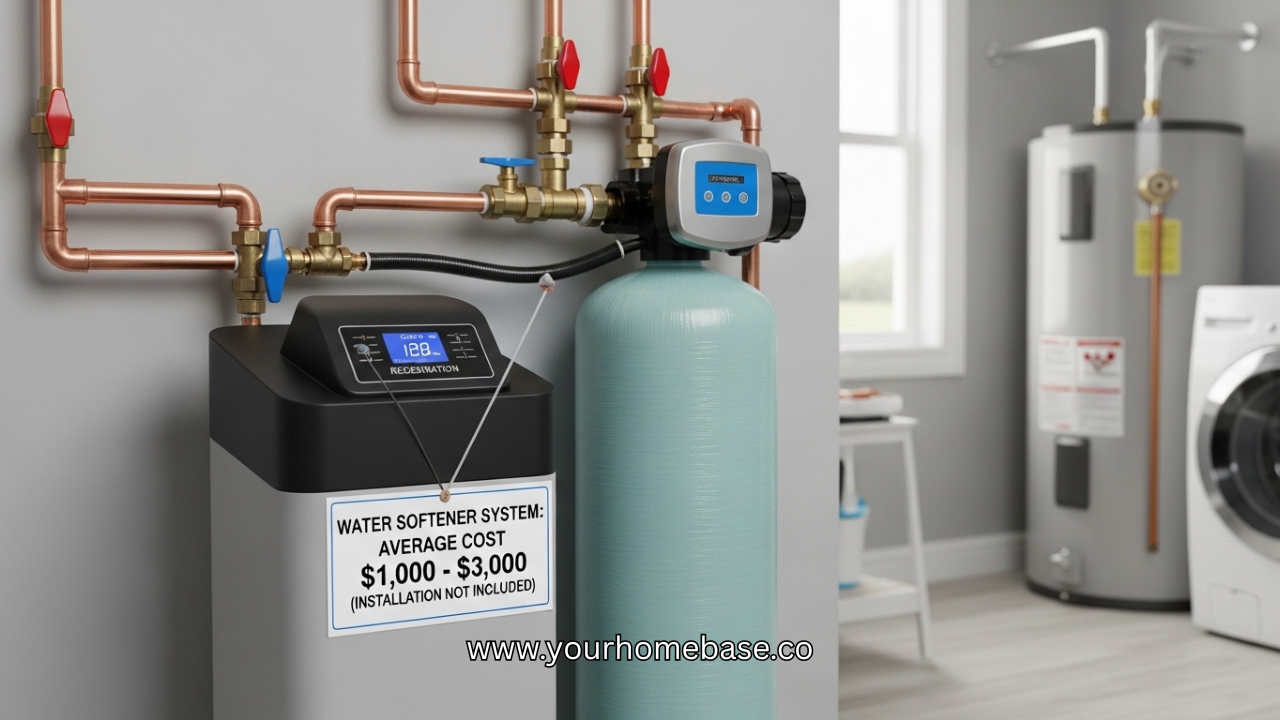
The cost of installing a water softener can vary widely. Factors like the type of system, brand, and installation complexity play significant roles. Expect to pay anywhere from $500 to $2,500 for the complete setup.
Maintenance costs also need consideration. Regular salt refills are essential for ion exchange systems and typically range from $5 to $15 per month, depending on usage.
Some systems require occasional servicing or filter replacements, which can add further expenses over time. This may be around $100 annually for professional maintenance.
It’s wise to factor in these ongoing costs when evaluating your overall budget. The initial outlay might seem steep at first glance but think about long-term benefits too – they could outweigh the upfront expense significantly.
Potential Savings with a Water Softener
Investing in a water softener can lead to significant savings over time. Hard water causes mineral buildup, which impacts your appliances and plumbing systems. These issues often result in costly repairs or replacements.
With softened water, your appliances operate more efficiently. You’ll notice dishes come out cleaner from the dishwasher and clothes feel softer after washing. This efficiency means less energy consumption, translating to lower utility bills.
Additionally, softened water requires less detergent for cleaning tasks. A little goes a long way when you’re not battling hard minerals. Your supply of soaps and cleaners lasts longer too.
Don’t forget about the lifespan of your plumbing fixtures. A reduction in scale buildup extends their life, reducing replacement costs down the line. With these factors combined, homeowners may find that the initial investment in a water softener system cost pays off sooner than expected through ongoing savings.
Alternatives to Traditional Water Softeners
If a traditional water softener isn’t the right fit for you, consider alternatives that can help reduce hard water effects. One popular option is a salt-free conditioner. These systems don’t remove minerals but instead alter them, preventing scale buildup in pipes and appliances.
Another choice is a reverse osmosis system. While primarily used for drinking water purification, it effectively reduces hardness by filtering out unwanted minerals. This method offers clean water directly from your tap.
For those looking for chemical-free solutions, descaling devices use electromagnetic or magnetic fields to change the properties of calcium and magnesium ions in the water. This approach may not soften the water conventionally but can minimize scaling over time.
Rainwater harvesting systems collect and store rainwater for various uses. This eco-friendly alternative provides soft water naturally while reducing reliance on municipal supplies.
Conclusion
When evaluating whether a water softener is worth the investment, several key factors come into play. First, consider your specific water quality and needs. If you regularly face issues like scale buildup or dry skin, a water softener could be highly beneficial.
Next, think about the financial aspect. While the upfront costs can seem daunting, many homeowners find that the long-term savings on appliances and plumbing repairs make it worthwhile. Additionally, reduced detergent usage in laundry and dishwashing can lead to further savings over time.
The installation process also plays a role in determining value. Some systems are easier to install than others and may require professional help which adds to initial expenses.
Explore alternatives if traditional systems don’t suit your lifestyle or budget. Salt-free options may provide some benefits without hefty installation fees or ongoing maintenance costs.
Assessing all these elements will guide you toward an informed decision on whether investing in a water softener system aligns with your household’s needs and finances.