
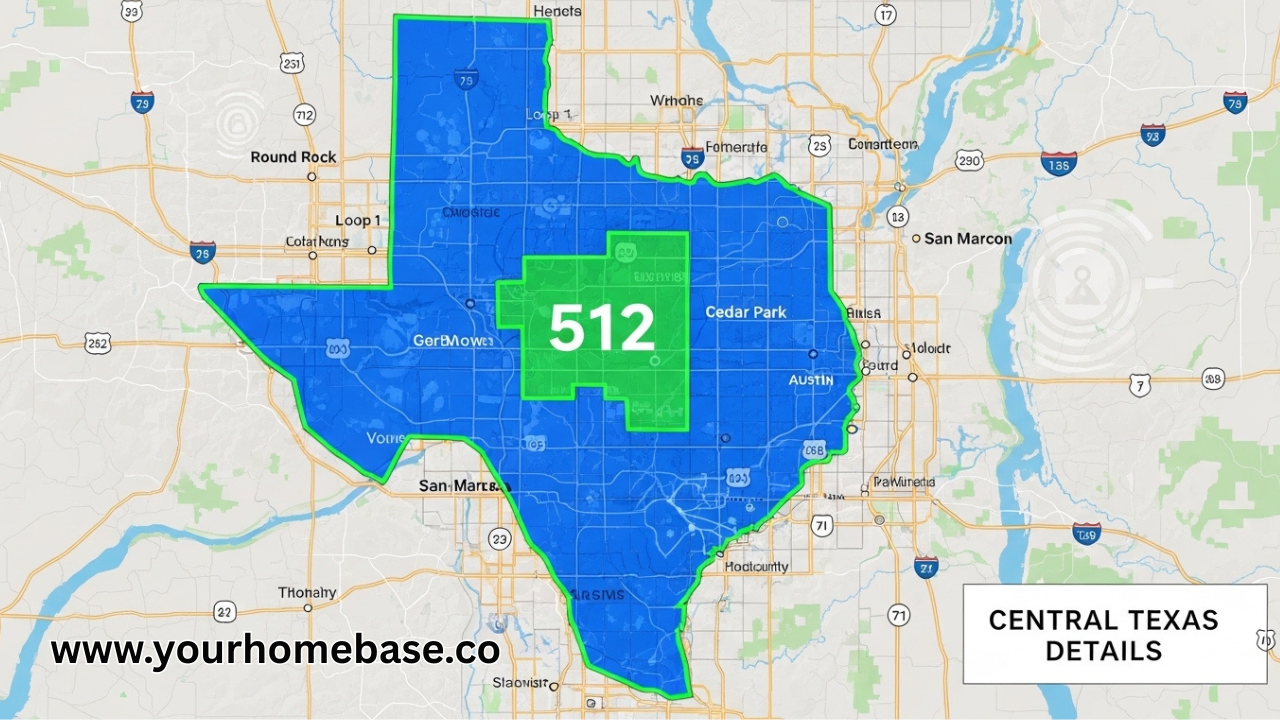
The 512 area code is one of the most well-known telephone area codes in the state of Texas. Covering the heart of Central Texas, it encompasses a variety of cities, towns, and communities, each with its own unique history and culture. Whether you’re moving to the area, doing business, or just curious, understanding the 512 area code, its origins, and the regions it covers can be very helpful.
History of the 512 Area Code
The 512 area code was one of the original area codes established in 1947 under the North American Numbering Plan (NANP). At that time, the code covered a large portion of south-central Texas. Over the decades, due to population growth and increasing phone usage, parts of the original 512 region were split into new area codes to accommodate demand.
The most notable split occurred in 1999, when the 512 area code was divided to create the area code 210 for the San Antonio region and later area code 737 as an overlay to meet the growing demand in Austin and surrounding areas.
Geographic Coverage
The 512 area code primarily covers Central Texas, with Austin being the most prominent city within its boundaries. Other notable areas include:
-
Austin – The state capital, known for its music scene, tech industry, and vibrant culture.
-
Round Rock – A fast-growing city just north of Austin, famous for its schools and Dell headquarters.
-
San Marcos – Home to Texas State University and popular tourist attractions.
-
Georgetown – Known for its historic downtown and scenic surroundings.
-
Bastrop – Famous for its state park and natural beauty.
The area code spans both urban hubs and rural communities, giving it a diverse demographic and economic profile.
Significance of the 512 Area Code
The 512 area code isn’t just a number; it’s part of the identity of Central Texas. For locals, it represents a sense of community, and businesses often highlight their 512 area code as a mark of their Austin or Central Texas roots.
Additionally, because Austin is a major tech hub, the 512 area code has become associated with innovation and entrepreneurship. Startups, tech companies, and creatives often prefer numbers in this code to showcase their Central Texas base.
Population and Demographics
The 512 area code covers a region with over 2 million residents. Austin alone contributes significantly to this number due to its rapid growth. The demographic is diverse, including a mix of students, professionals, families, and retirees.
The area is known for its young, educated population, largely due to the presence of universities like the University of Texas at Austin, which attracts students and faculty from across the country and the world.
Telecommunications and Technology
The 512 area code has been a hub for telecommunications development. Due to the rapid growth of mobile phones, landlines, and VoIP services, the region has seen the introduction of overlays like 737. This means that residents may have either a 512 or 737 number, even within the same city.
Businesses and residents alike have benefited from these expansions, ensuring that new numbers are available as the population and tech needs grow.
Area Code 512 and Austin’s Growth
Austin’s explosive growth has directly influenced the demand for 512 numbers. As the city expanded in the tech sector, housing, and entertainment industries, the need for more phone numbers grew exponentially. This led to the creation of the 737 overlay in 2013, which serves the same geographic area as 512.
Even with this overlay, 512 remains iconic and highly recognizable. Many locals and businesses prefer it for its historic and cultural significance.
Fun Facts About 512
-
Music Connection: Austin, the “Live Music Capital of the World,” often features local bands and venues promoting the 512 identity.
-
Tech Influence: Companies like Dell, IBM, and numerous startups have 512 phone numbers, linking the code to innovation.
-
Pop Culture References: The 512 area code appears in songs, social media, and movies referencing Austin or Central Texas.
-
Number Shortages: Due to high demand, new residents often receive 737 numbers, making 512 more of a “prestige” area code.
Nearby Area Codes
The regions surrounding 512 also have their own area codes:
-
210 – San Antonio
-
830 – Hill Country and smaller towns west of Austin
-
361 – Coastal Texas
-
325 – West-Central Texas
Understanding these helps when dialing or identifying calls, as the 512 is distinctly tied to Central Texas.
How to Identify a 512 Number
If you receive a call from a 512 number, it’s most likely originating from Austin or nearby cities like Round Rock, San Marcos, or Georgetown. The area code also frequently appears in business contacts for companies headquartered in Austin’s tech corridor.
Due to the overlay system, however, a 737 number might be indistinguishable geographically, even if it shares the same Central Texas location as a 512 number.
Tips for Residents and Businesses
For those living or doing business in the 512 area code:
-
Local Recognition: Highlighting a 512 number can signal authenticity and a Central Texas connection.
-
Prepare for Overlays: New residents or businesses may get a 737 number; consider reserving a 512 number if available.
-
Stay Updated: Telecom changes happen frequently. Keep track of any new overlays or splits.
-
Community Connection: Many local events, organizations, and networks identify strongly with the 512 area code, making it useful for marketing and networking.
Conclusion
The 512 area code is more than just a string of digits. It represents the heart of Central Texas, connecting millions of residents, businesses, and communities. From its origins in 1947 to its modern-day role in Austin’s tech-driven economy, 512 carries history, identity, and prestige. Whether you’re moving into the area, starting a business, or just curious, understanding the 512 area code gives insight into the culture, growth, and connectivity of Central Texas.